





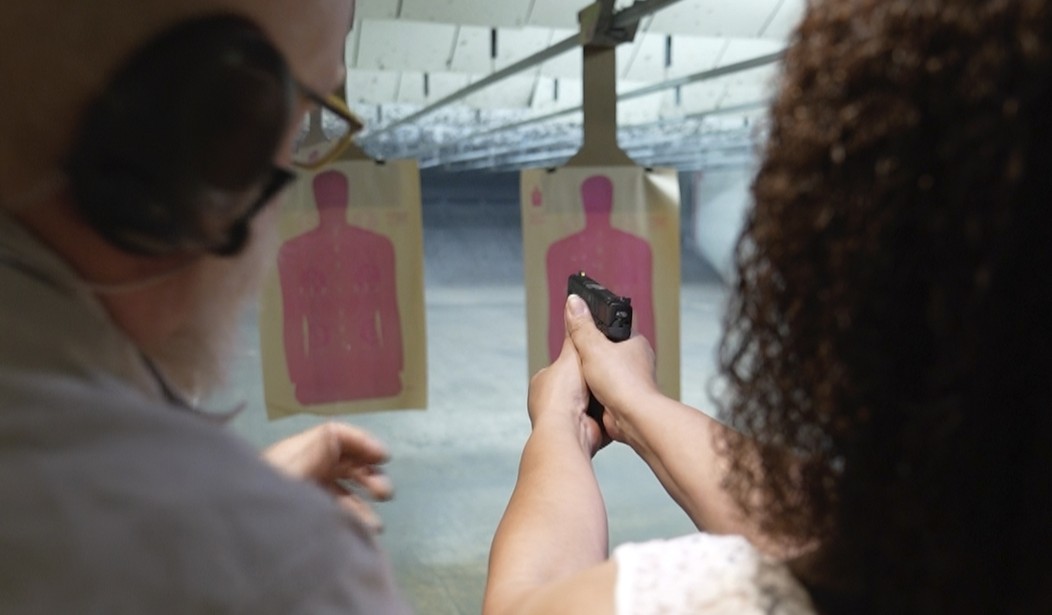
Across the country, public officials are struggling with the same problem: how to keep communities safe without asking even more of taxpayers. Public safety officer training costs continue to rise. Budgets continue to tighten. The pressure to deliver never seems to ease. Yet the debates happening in Washington, D.C., and in state capitals often miss a major part of the answer, and it is something that has been helping for decades.
That answer is philanthropy.
Although crime and public safety dominate the news, charitable giving is almost never mentioned in those conversations. The reality is that private donors support training, equipment, and education in communities of every size. Their support strengthens safety and preparedness in the places where it matters most: with the people who serve, teach, mentor, and respond when help is needed.
For more than 30 years, The NRA Foundation has been part of this work by providing grants to police departments, volunteer instructors, youth programs, shooting ranges, and local organizations focused on safety and responsible firearms practices. These grants are not political. They do not support lobbying or litigation. They’re intended to give people the practical skills and everyday know-how that keep communities safe.
Most people never see this work, but that does not make it any less important.
Local law enforcement agencies often depend on philanthropic support to maintain training equipment that their budgets cannot cover. Schools look for help to assess their security needs and strengthen their safety plans. Volunteer-run youth marksmanship teams rely on grants to teach young people discipline, confidence, and focus. These lessons stay with them long after they leave the range.
A clear example of this support is the NRA Law Enforcement Range Fund, sponsored by the NRA Foundation, that helps agencies improve their training facilities. The program provides 50/50 matching grants so local, state, and federal departments can build or upgrade ranges they could not otherwise afford. Priority goes to projects that serve multiple agencies or offer supervised civilian training. These investments strengthen officer readiness and community safety without adding new costs for taxpayers.
Programs like these rarely make headlines, yet they make a measurable difference. They reduce accidents, improve readiness among first responders, and give young people constructive opportunities to grow. They also strengthen communities at a fraction of the cost of government-led efforts.
Because these programs are funded by donors instead of taxpayers, they also benefit from flexibility. Philanthropy can move more quickly than government. It can respond to specific local needs. It can try new ideas without waiting on an appropriations process or a political agreement. It steps in where bureaucratic systems cannot easily adapt.
As Americans approach the end of the year and begin thinking about charitable giving, it is worth remembering that philanthropy has always played a central role in solving public problems. Many of the civic institutions we rely on today were created by citizens who saw a need and took it upon themselves to meet it.
Public safety is very much a part of that tradition.
A rural 4-H shooting sports club teaching kids how to handle firearms safely, a community range upgrading its facilities so local police have a reliable place to train, a school district reviewing its security plan, or a veteran-led nonprofit helping young people build confidence through marksmanship are all examples of work supported by donors who want their communities to be prepared well before a crisis ever occurs.
In meeting these donors, volunteers, and program leaders, I am reminded every day that the country is full of people who are working quietly to make their neighborhoods safer and stronger. They are not asking taxpayers to do more. They simply want to support the institutions that help preserve both responsibility and freedom.
As we discuss budgets, crime, and the wider challenges facing the nation, we should not overlook this often-unseen part of the safety infrastructure. The generosity of everyday Americans strengthens the foundation of responsible firearm ownership and community preparedness.
Public safety is something we all have a stake in. Thanks to the people who choose to invest in training, education, and readiness, it is a responsibility we are meeting together.
Peter Churchbourne is the Executive Director of the NRA Foundation and a longtime advocate for hunters and conservation. Previously Director of the NRA Hunters’ Leadership Forum and a 17-year veteran of Ducks Unlimited, he has developed award-winning education resources and communications strategies to advance hunters’ rights nationwide.
Editor’s Note: President Trump and Republicans across the country are doing everything they can to protect our Second Amendment rights and right to self-defense.
Help us continue to report on their efforts and legislative successes. Join Townhall VIP and use promo code FIGHT to get 60% off your VIP membership.

Join the Conversation
VIP members get the ability to comment on articles.