





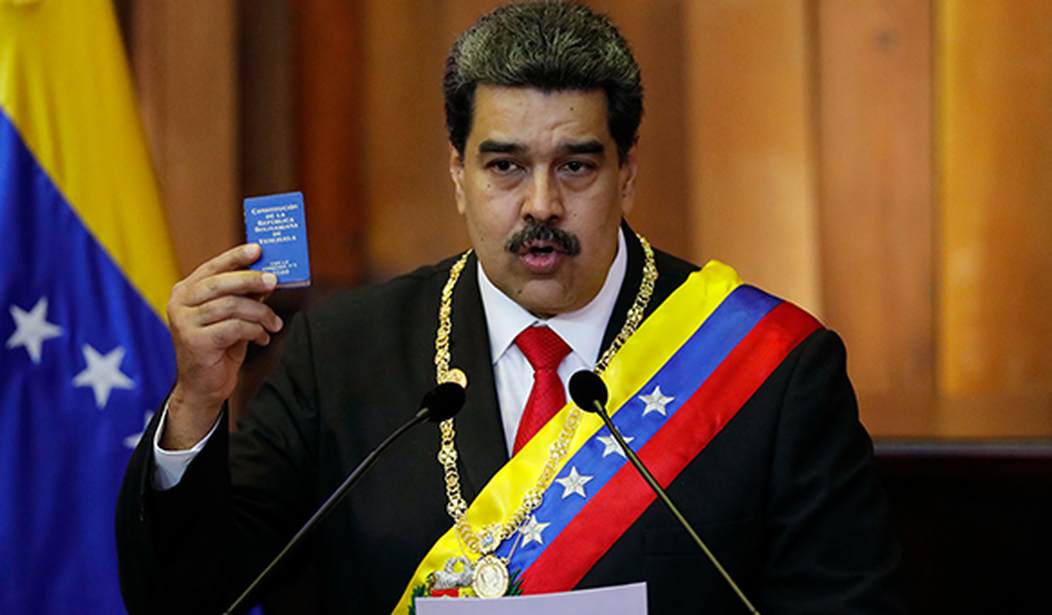
We live in an era when clicks and retweets often trump ethics and national security. Yet a recent incident may be a new low, showcasing the dangerous intersection of ideology, self-promotion, and irresponsibility of modern media. The day after the successful U.S. operation that removed Nicolás Maduro from power in Venezuela, investigative journalist Seth Harp published what he claimed was the identity of the commander of the U.S. Army’s Delta Force, the elite unit responsible for the raid that captured the Venezuelan dictator in Caracas.
Harp’s post, which he later deleted after widespread backlash, did more than name an officer. It included personal and professional details that could reasonably be used to identify, track, and endanger both the commander and his family. This was not an abstract disclosure. It carried real-world risk at a moment when emotions, grievances, and retaliatory impulses were at their peak.
The 1st Special Forces Operational Detachment-Delta, commonly known as Delta Force, operates in secrecy by necessity. Its missions include direct action, counterterrorism, hostage rescue, and special reconnaissance, oftentimes for the purpose of neutralizing high-value targets. These operations depend on anonymity to shield operators from retaliation by drug cartels, hostile intelligence services, and state-backed terrorist networks. The men and women who volunteer for these roles accept extraordinary risk on behalf of the nation. Their identities are classified to limit that risk, not to inflate mystique.
The damage from a single exposure like that perpetrated by Harp does not stop with the harm to one individual. It can ripple across an entire unit, forcing changes in assignments, security postures, and deployment timelines. And it can compromise future missions before they ever begin.
Harp attempted to justify his actions by arguing that it was legal to disclose the information and by portraying the Maduro raid as an unlawful violation of sovereignty. That defense is hollow. Legality is not morality, and context matters. The operation removed a dictator accused of election fraud, systemic human rights abuses, and narco-terrorism. It aligned squarely with stated U.S. policy under the new administration and was executed with precision and restraint. Perhaps it did not matter to the journalist, but the public might note that the Biden administration also refused to recognize the legitimacy of the Maduro regime and offered a $25 million reward for his capture.
Taken together, these facts leave no credible argument that the disclosure served a legitimate journalistic purpose. Harp’s post was steeped in ideological hostility. He has repeatedly framed the U.S. military as fascist or white supremacist in his broader work. His disclosure added no meaningful insight, revealed no abuse of power, and corrected no false narrative. It was activism disguised as reporting.
This incident is not unique. Similar security failures have occurred before, including the Biden administration’s 2023 accidental doxxing of Delta Force personnel in Israel through an unredacted White House social media post. Whether accidental or deliberate, such actions weaken institutional trust and provide adversaries with information they can exploit. They reflect a media environment that increasingly prioritizes outrage, speed, and engagement over responsibility.
No serious journalist should endanger a soldier’s life for relevance. I have seen firsthand the sacrifices these operators make. They do not seek recognition. They seek outcomes that protect Americans. Harp’s conduct reflects contempt for those sacrifices while he profits from criticizing them at no personal cost.
The backlash has been swift and justified. Americans across the political spectrum have called for investigations and accountability. Harp has locked his account and gone silent, but silence does not undo exposure. Publishers and networks should carefully reconsider rewarding behavior that places lives at risk. Free speech does not require institutional amplification.
As a society, we must demand better. Media accountability does not require deference to the state, but it does require restraint when reporting would materially endanger national security or human life. A clear example of this responsible behavior was the New York Times and the Washington Post holding off on reporting on the Venezuela raid to avoid endangering troops.
No one wishes violence on anyone, but when a journalist knowingly places a target on the back of an elite operator and his family, public outrage is justified. This is not extremism. It is a rational response to reckless behavior. Our special forces accept extraordinary risk in service to the country and should not be exploited for clicks, notoriety, or ideological signaling. A free press is essential to democracy, but judgment is essential to its survival. Anything less is un-American.
Meaghan Mobbs, Ph.D., is the director of the Center for American Safety and Security at Independent Women and president of the R.T. Weatherman Foundation. She also serves as a presidential appointee to the United States Military Academy Board of Visitors.
Editor’s Note: Do you enjoy Townhall’s conservative reporting that takes on the radical left and woke media? Support our work so that we can continue to bring you the truth.
Join Townhall VIP and use promo code FIGHT to receive 60% off your membership.
Join the Conversation
VIP members get the ability to comment on articles.