





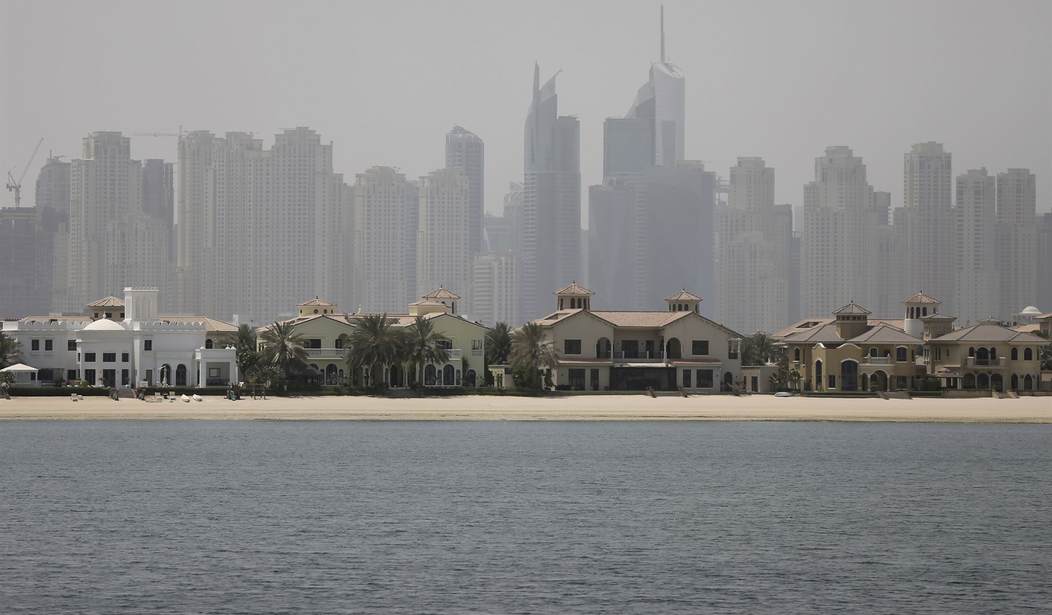
Few would have imagined the scenes unfolding across the Gulf since the Iran conflict began. Fortunately, however, a combination of advanced preparation, including strategic spending in defense infrastructure and in disaster preparedness, ensured that today, Dubai remains a metropolis well-positioned for future growth.
Crises, as we have witnessed in the Gulf, are the ultimate test for governments. Where some have fallen short, the same cannot be said for the UAE, which the White House has directly praised on several occasions.
In light of developments, commentators have posited that the region’s success story – Dubai – is no more. Both history and the reality of the current situation, however, tell us that this could not be further from the truth. Despite being subjected to the brunt of Iranian aggression, the city continues to operate normally, with thousands, including those in the US, preparing their return.
This has been helped in part by the positive trajectory of US/UAE relations under the current US administration, which has sought stronger ties.
The UAE remains one of the largest sources of FDI into the US, committing to a $1.4 trillion, 10-year investment framework focused on artificial intelligence, frontier technologies, energy, and manufacturing in March last year. This relationship crucially goes both ways, with the US accounting for 35 percent of total FDI inflows into Dubai, the top contributor globally.
This economic might is largely based in Dubai, which has attracted 1.4 million US visitors in the past two years and thousands of US businesses owing to its favorable business practices, low tax rates and high living standards.
With over 1,500 US firms registered and operating in the emirate, there are over 180,000 jobs in Dubai supported by American businesses. Conversely, 122,000 American jobs are supported by US exports to the UAE.
Those claiming that Dubai will not recover ignore both history and the deeply intertwined nature of this relationship. Yes, there have been temporary disruptions in recent years, whether from pandemic effects or regional disturbances. But the reality is that Dubai’s ties to the US are deepening owing to shared interests and growing economic linkages.
Dubai’s ability to withstand such a major event is not down to luck. It is a city rooted in resilience with a proven operational model capable of withstanding major external shocks. Take the global pandemic, which shuttered international air travel. This severely impacted Dubai as the world’s major transit hub and could have brought the emirate to a standstill for years.
Instead, Dubai did not just recover while also absorbing other major shocks in the region, but its leadership doubled down on the need for further growth and economic diversification. The result has been a breaking of tourism records, the receipt of $43.4 billion in FDI and economic growth which has far surpassed the global growth average.
Citizens and residents, including a major expat community, have come together as one and have largely been shielded from the worst effects of external global economic challenges. Dubai has at all times remained a highly sought-after global hub.
The emirate’s success is built not just on good government practices, but also on structural durability, enabling it to deal with external shocks like few other cities. Take Dubai’s Jebel Ali Port as an example – it is the world’s ninth busiest container port.
Recognizing the need for a large-scale port close to the city, the Dubai government built the largest man-made harbor in the world. It transformed a desert with few non-oil resources into not only a trading hub, but a financial hub as well, with diversification underpinning key economic decisions.
This resilience is forward-looking. The emirate has invested heavily in growth sectors such as artificial intelligence and advanced manufacturing, with the explicit aim of future-proofing its economy against structural shocks.
The UAE has emerged as a global AI hub, su
The UAE’s role as a Middle Eastern defense partner solidified the US-UAE partnership long ago. The country has played host to US military personnel since at least the early 2000s and has invested heavily in US air defense systems, resulting in a high interception rate of Iranian attacks.
When looking back at the current situation, Dubai’s
The city has strong economic ties to powerful US investment flows and businesses, anchored in shared economic interests and alignment, which continue to strengthen. Betting against Dubai may appear a popular trend, but ultimately amounts only to surface-level criticism which ignores Dubai’s status as a truly global city.
Blueprints of success are built on long-term economic planning, institutional stability and a global network of public and private partners.
Dubai, it would appear, is not going anywhere.
Editor’s Note: Do you enjoy Townhall’s conservative reporting that takes on the radical Left and woke media? Support our work so that we can continue to bring you the truth.
Join Townhall VIP and use promo code FIGHT to receive 60% off your membership.


Join the Conversation
VIP members get the ability to comment on articles.