





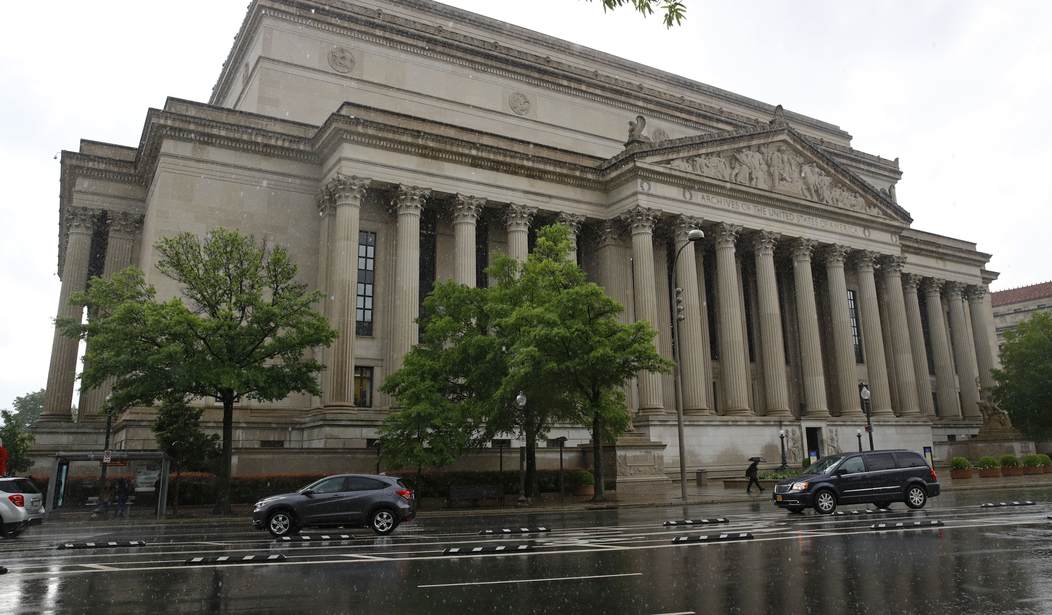
The east side of the National Archives in Washington, D.C., has the following inscription: “This building holds in trust the records of our national life and symbolizes our faith in the permanency of our national institutions.”
Given today’s political climate, the words “faith” and “permanency” hold special meaning and offer optimism.
The Archives, of course, house the nation’s most cherished documents, the Constitution, and the Declaration of Independence. It also houses billions of documents, films, and other records.
The Declaration of Independence says about England’s King George III: “He has called together legislative bodies at places unusual, uncomfortable, and distant from the depository of their public Records, for the sole purpose of fatiguing them into compliance with his measures.”
The founders of the nation understood the importance of separate institutions, accountable by records, and responsible for ensuring freedom for its citizens.
Over the last several weeks, there has been a dizzying amount of groundbreaking activity from Congress, the president and the Supreme Court. Each of their actions, while controversial, underscore the need for their operations and safeguarding of American freedoms.
The Supreme Court ruled that Montgomery County, Maryland, parents who voiced religious objections may opt out of LGBTQ+ education curricula, that South Carolina can block Medicaid funding for Planned Parenthood, and Tennessee is able to ban puberty blockers and hormones for minors. The Court also narrowed the scope of nationwide injunctions.
These rulings will have widespread ramifications for years to come. The founders showed wisdom in establishing a Supreme Court, appointed by the president and confirmed by the Senate, with justices who serve for life.
Congress is considering the Big Beautiful Bill. The so-called budget reconciliation bill would extend tax cuts from 2017. The bill itself was over 900 pages and was read for the entire Senate. Both parties in Congress have goals and definitely want to pass a bill. Neither party in either house of Congress has an overwhelming majority, thus forcing compromise. A legislature that cannot function as a rubber stamp was the framers’ goal.
President Trump has had victories on the issue of immigration, and foreign policy. His decisive action against Iran is something Americans have envisioned since the Islamic Revolution of 1979. Americans remember the hostages who were held for 444 days, and who were released as Ronald Reagan was being sworn in as president.
The results of these actions, and the need for further strikes are an ongoing consideration. However, the Constitution invested the president with the powers of commander in chief of the military. In these situations, swift and deliberate action is best carried out by the lone figure elected by the entire nation.
All of these actions by the president, Congress, and Supreme Court can cause disagreement among reasonable people. However, the framework for those actions gives each branch of government specific duties, and the ability to check the other two. The occupants of those offices will change, but their structure and history, provide guidance and wisdom.
This Independence Day, as we move toward the 250th anniversary of the Declaration of Independence in 2026, let us remember that, in addition to guaranteed freedoms, our government is both powerful and restrained.
The documents housed in the National Archives are more than words on parchment. They do provide faith in the permanence of our institutions.
Kevin P. McVicker is a partner in Shirley & McVicker Public Affairs in Alexandria, Va.



Join the Conversation
VIP members get the ability to comment on articles.