





You almost have to admire it.
Not the strategy. The audacity. Because it takes a very special kind of stupid to attack the very people holding your money… walk away from negotiations meant to save your regime… and then act surprised when the walls start closing in.
But that’s exactly what the ayatollahs just did.
Let’s walk through this slowly, because the sequence matters—and it is devastating.
At the beginning of this conflict, Iran made its first catastrophic mistake: it attacked its Gulf neighbors. Not proxies. Not distant adversaries. The actual countries that, for years, had quietly allowed Iranian money to move, sit, and—most importantly—hide inside their financial systems.
That was the first domino.
Those Gulf states—energy giants sitting on critical global infrastructure and banking pipelines—had tolerated Iran’s behavior for years because it was easier than confrontation. They provided just enough opacity for Iranian funds to exist in the shadows. Until Iran decided to bomb them. That changes things.
Fast forward to this past weekend.
After sustained military pressure and mounting economic strain, the United States sat down with Iran in high-level negotiations, with Pakistan helping mediate. This was not symbolic. This was the moment when Iran could stabilize its situation.
They had one job: take the deal. Instead? They stalled. They hedged. And ultimately—they walked.
They said no. That was mistake number two.
And this time, the response wasn’t another round of waiting. President Trump ordered a full blockade of Iranian ports.
Not sanctions on paper. Not warnings. Not “we strongly condemn.” A blockade.
Ships stopped. Trade choked. Oil movement restricted. Maritime access—the lifeblood of the Iranian economy—cut down in real time.
And here’s where it gets brutal. Because while everyone was watching the physical blockade, Treasury Secretary Scott Bessent stepped up and quietly announced the part that actually ends regimes.
The money.
Bessent made it clear: because Iran attacked its Gulf neighbors earlier in the conflict, those same countries are now cooperating with the United States to expose Iranian financial assets sitting in their banking systems.
Read that again.
The people who were helping you hide your money… are now helping your enemy find it. That’s not pressure. That’s suffocation.
For years, Iran survived sanctions by playing a shell game. Oil revenues routed through intermediaries. Funds parked in regional banks. Transactions buried under layers of plausible deniability. That system worked—because everyone involved had an incentive to keep it quiet. Until Iran blew that arrangement up—literally.
Now those same countries are opening the vault.
Accounts tied to the IRGC. Holdings connected to regime leadership. Networks that once operated comfortably in the gray are now being dragged into full daylight.
And then Bessent dropped the hammer. Secondary sanctions.
If you are buying Iranian oil, you’re exposed. If you are holding Iranian money, you’re exposed. If you are doing business with the regime, you are risking access to the U.S. financial system.
That’s not a suggestion. That’s economic gravity. Because no serious country, bank, or corporation chooses Iran over access to the dollar. Which means the exits are closing. Fast.
This is what the critics never understand. They think in single moves. One strike. One sanction. One negotiation. What we’re watching is layered pressure. Military degradation. Diplomatic isolation. Economic suffocation. All hitting at once. And the ayatollahs walked away from the one moment they could have stopped it.
That’s not bad luck. That’s generational stupidity.
Because here’s the reality they failed to grasp. Their power never came from strength. It came from access. Access to money. Access to markets. Access to systems they didn’t control—but could exploit.
The blockade hits the physical access. Bessent’s move destroys the financial access. Put those together, and what you get isn’t a long war. You get collapse pressure. And the timing couldn’t be worse for them.
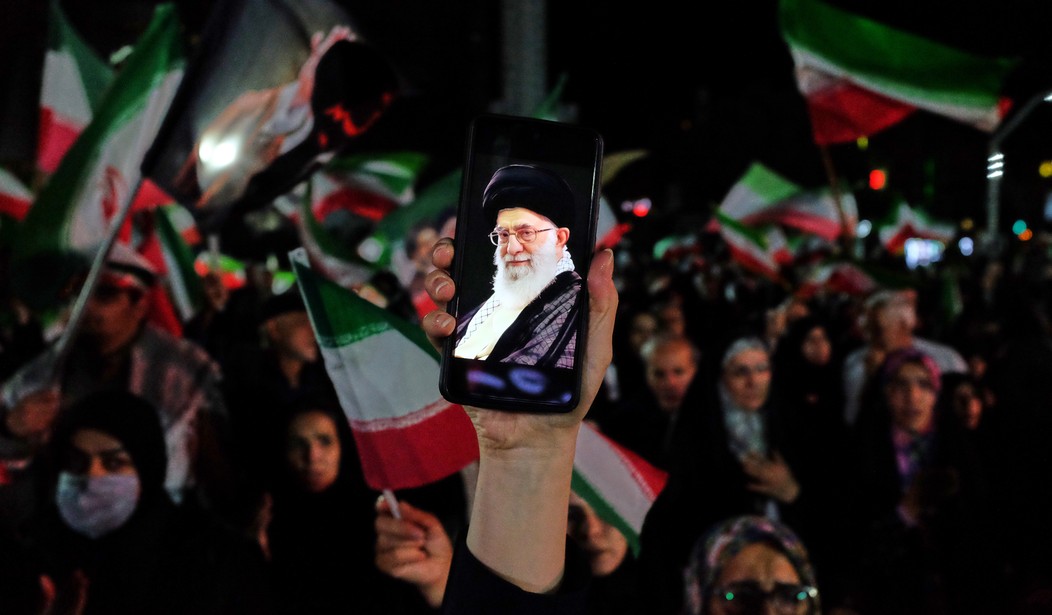
Inside Iran, the regime is already brittle. Years of economic mismanagement, corruption, and repression have hollowed out public trust. Protests have come in waves. The younger generation is openly hostile to the ruling structure.
That was before the blockade. That was before the financial exposure. Now?
Now the regime has to explain why conditions are getting worse—why money is disappearing—why the system that kept things afloat is suddenly breaking down. And they have no good answers. Because the truth is too obvious. They blew it. They attacked the wrong people. They misread the negotiations. They underestimated the response. And now they are watching their financial lifelines get cut off by the very countries they thought would always quietly protect them.
This is the part where the talking heads get it wrong again.
They’ll say this is escalation. They’ll say it’s risky They’ll say it could spiral. No.
This is resolution pressure. This is what happens when “no” is no longer a delaying tactic—but a trigger. A trigger for consequences that don’t wait, don’t pause, and don’t reverse. And that’s the lesson here.
The ayatollahs didn’t lose because they were outmatched militarily. They lost because they were outmatched strategically. They walked into the moment thinking they were still playing the old game—stall, delay, outlast. But the game changed.
And now? Now the ships aren’t moving. The money isn’t hidden. The allies aren’t shielding them.
The regime that thought it could outwait everyone else is finally facing something it cannot evade. Consequences. Real ones.
And they’re just getting started.
Editor's Note: For decades, former presidents have been all talk and no action. Now, Donald Trump is eliminating the threat from Iran once and for all.
Help us report the truth about the Trump administration's decisive actions to keep Americans safe and bring peace to the world. Join Townhall VIP and use promo code FIGHT to get 60% off your VIP membership.


Join the Conversation
VIP members get the ability to comment on articles.