





Over the weekend, everything shifted.
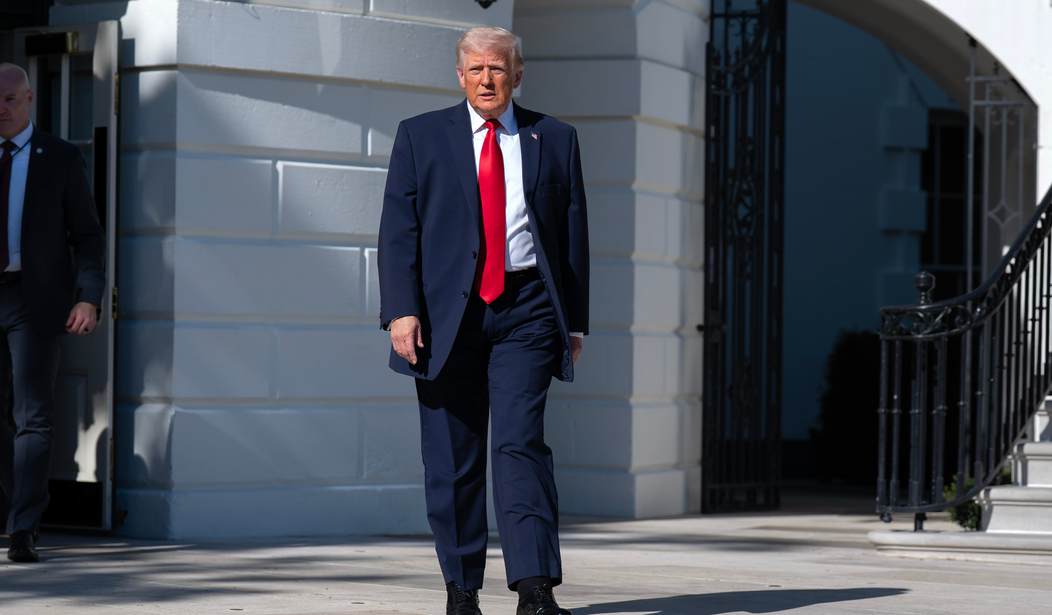
The same voices that spent the last two weeks warning about a “forever war” suddenly went quiet as events on the ground—and at sea—moved faster than their narratives could keep up. Military pressure intensified. Negotiations that had been quietly underway through intermediaries, such as Pakistan, stalled out. And then came the announcement that changed the entire equation: President Trump ordered a blockade of Iranian ports.
That wasn’t just another move on the board. That was the board flipping over. Because if you trace the timeline honestly, the story becomes crystal clear. The United States applied decisive military pressure. Iran’s capabilities took a significant hit. Diplomatic channels opened—some of them quietly, some of them through regional partners trying to broker a way out. And then Iran did what it has done for decades.
It stalled. It delayed. It rejected. They had a chance to de-escalate. They chose not to. And that choice is what made the blockade inevitable.
Let’s be very clear about what this is—and what it isn’t.
This is not escalation for the sake of escalation. This is not a march toward a drawn-out conflict. This is what happens when a regime is given an off-ramp and refuses to take it. You don’t keep offering the same exit indefinitely. At some point, you change the pressure. That’s exactly what just happened.
A blockade is not symbolic. It is one of the most concrete, immediate forms of leverage a nation can apply short of full-scale war. It doesn’t ask for compliance—it enforces consequences. And in Iran’s case, those consequences strike at the heart of how the regime survives.
Ports are not just entry and exit points. They are economic lifelines. Oil exports flow through them. Sanctions are evaded through them. Weapons and materials move through them. Revenue—desperately needed revenue—depends on them. Cut that off, and you don’t just inconvenience the regime. You suffocate it.
That’s why this moment matters so much. Because the ayatollahs misread the weekend entirely.
They believed they were still negotiating from a position of endurance. That if they delayed long enough, the pressure would ease. That the United States—like in years past—would eventually step back, recalibrate, and accept less than it demanded. That assumption collapsed in real time.
The war didn’t bog down—it accelerated. The negotiations didn’t progress—they failed. And the response wasn’t retreat—it was escalation with purpose.
Now the regime faces something it hasn’t faced in decades: immediate, enforceable consequences for saying “no.” And here’s where the critics once again find themselves on the wrong side of reality.
We were told this would spiral. We were told this would drag on. We were told there was no strategy. But what we are watching unfold is not chaos. It’s sequence.
Pressure applied. Opportunity given. Opportunity rejected. Pressure increased.
That’s not reckless. That’s disciplined. And it’s precisely how conflicts are brought to a head instead of stretched out over years.
Now, layer in the broader reality inside Iran.
The regime is already under strain. Its economy has been battered by years of sanctions and internal corruption. Public unrest has simmered and boiled over repeatedly. Younger generations are increasingly unwilling to accept the status quo. The government has responded with crackdowns, arrests, and executions.
That was before the weekend.
Now add failed negotiations and a maritime chokehold to the mix.
Trade slows. Revenue tightens. Pressure builds—not just from outside, but from within. Because regimes like this don’t collapse when things are easy. They collapse when they are squeezed from both directions.
That’s what a blockade does. It doesn’t just send a message to leadership. It creates a reality that the population can feel. And that’s the part the ayatollahs should fear the most. Because they can posture toward Washington. They can issue statements. They can reject terms. But they cannot easily explain to their own people why conditions are getting worse—why opportunities to de-escalate were rejected—why the situation continues to deteriorate.
That’s where regimes lose control. Not on the battlefield. But in the streets.
Now, none of this guarantees a specific outcome. Iran could still choose to escalate further. It could double down. It could miscalculate again. But what it can no longer do is pretend that time is on its side.
The blockade ends that illusion. It forces decisions. It compresses timelines. It removes the comfort of delay. And that is exactly what the weekend proved.
This is not a forever war. This is the opposite of one. This is what happens when strength is applied with clarity—and followed through when the other side refuses to respond.
The ayatollahs had a chance. They were given an opening. They chose to ignore it. And now, for the first time in a long time, “no” doesn’t buy them time.
It brings consequences.
Editor's Note: For decades, former presidents have been all talk and no action. Now, Donald Trump is eliminating the threat from Iran once and for all.
Help us report the truth about the Trump administration's decisive actions to keep Americans safe and bring peace to the world. Join Townhall VIP and use promo code FIGHT to get 60% off your VIP membership.

Join the Conversation
VIP members get the ability to comment on articles.