





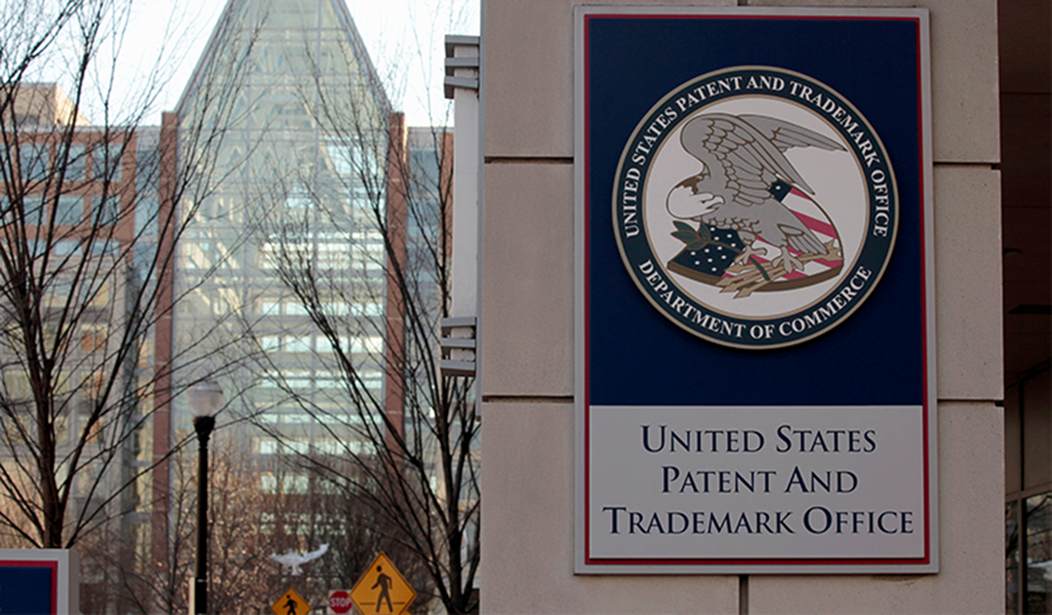
Nearly a year ago, the U.S. Patent and Trademark Office proposed reforms to curb repeat challenges to patents at the Patent Trial and Appeal Board, or PTAB — the panel within the USPTO responsible for determining whether issued patents should stand.
The public comment period has ended, yet the rule remains unfinished, leaving inventors unsure whether the patents they have earned will be secure enough to attract investment, license technology and build businesses.
The USPTO’s own proposal found that roughly 54 percent of PTAB petitions filed were one of multiple petitions against the same patent. Too many patent owners have faced a process in which a challenger can keep coming back with another petition, another theory, another chance to wear down the person or business that created something of value.
Created by the America Invents Act of 2011, the PTAB was meant to give questionable patents a fair review. Patents that should not have been issued deserve a fair challenge. But repeat challenges have become a punishing burden for independent inventors, family businesses, and university researchers trying to move a product from the workbench to the marketplace.
The proposed rule would focus PTAB review on patent claims that have not already been fully tested in court or before the PTAB, while leaving the USPTO room to step in when unusual facts warrant another review. Challengers would be expected to bring their best case. Patent holders who have survived a full and fair review would no longer face endless do-overs simply because a larger competitor can afford them.
This is about property rights, plain and simple. America has always rewarded ingenuity, creativity, and persistence. Patents give men and women who take enormous personal and financial risks a chance to benefit from the fruits of their labor. That promise has helped produce life-saving medicines, better tools, new technologies, and entire industries. When the value of a patent can be called into question long after it is granted, investment becomes harder to find, and the inventor is left fighting lawyers instead of building a company.
Opponents have recently tried to make the claim that unlimited PTAB challenges are essential to lower prescription drug prices, portraying endless patent challenges as the path to affordable medicine. But this year prescription drug prices have fallen at their fastest pace in decades, even as PTAB challenges have slowed dramatically due to Director Squires’ use of discretionary denials.
Let’s be clear: those arguing in support of having unlimited attempts to invalidate patents are the same Big Tech offenders hoping to avoid having to pay licensing fees to smaller inventors. It’s cheaper for them to infringe as they wish, then litigate the patent holder into oblivion. The practice even has a name — efficient infringement. That’s why the list of most common users of PTAB reads like a who’s who in Big Tech. It’s also why their lobbyists have been working overtime to kill this important rule.
Commerce Secretary Howard Lutnick has the opportunity to show needed leadership and steward this rule to completion. He, perhaps more than anyone else in government, understands the value of strong, reliable patents, which can endure even when a business’ physical assets crumble. In the terrorist attack on September 11, Cantor Fitzgerald, where Lutnick was chief executive, lost 658 employees and its World Trade Center headquarters. “I would liquidate Cantor Fitzgerald,” Lutnick later recalled. “There was nothing left of it, no people, no building. I had the patents. They were worth something.”
Those patents helped Cantor Fitzgerald recover from an unimaginable loss. But that was a decade before the 2011 law that created the PTAB, where repeat challenges have made patents less certain and less valuable.
Director John Squires is also poised to assert needed leadership, and he has every reason to exercise it. Since confirmation, he has rightly used his authority to curb abuse of the Patent Trial and Appeal Board. The proposed rule would ensure the de facto policy he’s enforced lives beyond his tenure as director.
The proposed rule would preserve a fair review of patents that deserve to be challenged, encourage legitimate competition, and give inventors greater confidence that the property rights they were granted by our Constitution will be respected. America’s inventors have waited long enough under the abusive regime of the PTAB. It’s time to rein in this runaway bureaucratic tribunal.
Ken Blackwell is the President of the Council for National Policy and Chairman of the Conservative Action Project in Washington, D.C.
Editor’s Note: Do you enjoy Townhall’s conservative reporting that takes on the radical Left and woke media? Support our work so that we can continue to bring you the truth.
Join Townhall VIP and use promo code FIGHT to receive 60% off your membership.



Join the Conversation
VIP members get the ability to comment on articles.