





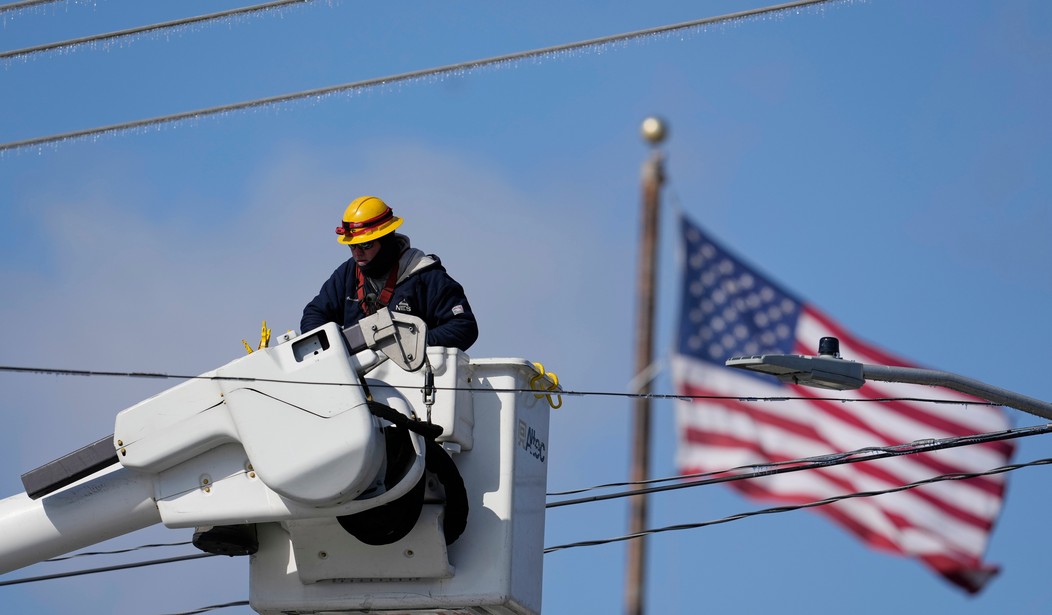
Winter Storm Fern was not merely a weather event. It was a reminder.
When extreme cold, ice, and snow stretch from the Southwest through the Mid-Atlantic and into the Northeast, the country is forced to confront a reality that is easy to overlook in calmer times: modern life depends on systems that must perform precisely when conditions are at their worst. Heat, light, communication, and medical care are not luxuries when temperatures plunge. They are necessities, and their reliability becomes a matter of public safety.
In the aftermath of Fern, millions of Americans experienced disruptions to daily life. Both cities and rural areas were impacted. Roads were impassable. Trees and limbs collapsed under the weight of ice. Power lines fell. For the elderly, the sick, and families living in older or poorly insulated homes, the loss of electricity was not an inconvenience. It was a genuine hardship that carried real risk.
Yet even as the storm bore down, a less visible effort was already underway across the country. Electric utilities, cooperatives, and public power providers were mobilizing a response that had been planned long before the first forecast appeared on a screen. Tens of thousands of trained workers from dozens of states were positioned, equipped, and coordinated so that restoration work could begin as soon as it was safe.
At the center of that effort were America’s electrical lineworkers.
These men and women perform one of the most demanding and hazardous jobs in the modern economy. They work at height and near high-voltage electrical systems, operating heavy equipment under conditions that amplify all risks. Winter storms are particularly unforgiving. Ice and snow turn routine tasks into dangerous ones. Fallen trees and tangled lines create hazardous conditions in which a single misstep can have serious consequences.
And yet, when storms like Fern strike, lineworkers do not wait for perfect conditions or ideal circumstances. They work long hours in the cold and dark, often away from their families, to restore service community by community. Their labor is essential not only to comfort, but to the functioning of hospitals, emergency services, water systems, and local economies.
These lineworkers were deployed in both urban and rural areas. In those less densely populated parts of the country, after a storm, this type of repair work is even more challenging because of vast stretches of unplowed streets and the downed trees blocking roads. That also means servicing rural areas is perhaps even more critical because these fellow Americans cannot walk to a store or take an Uber to seek medical help.
Something else to keep in mind, and what is less widely understood, is that this work is not improvised. It is the product of an extensive and disciplined system of preparation and mutual aid that spans the entire electric power industry.
Ahead of Winter Storm Fern, more than 65,000 utility workers from 44 states and the District of Columbia were strategically staged to respond where damage was expected to be greatest. Equipment, specialized trucks, food, fuel, and lodging were secured in advance so crews could operate continuously once conditions allowed. Industry leaders coordinated closely with federal agencies and state officials to ensure clear communication and rapid deployment of resources.
This kind of response does not occur spontaneously and is not cheap. It reflects years of planning, training, and investment aimed at ensuring reliability when nature is at its most severe.
Those investments are worth emphasizing because they are often discussed only in the abstract. In 2025, according to the Edison Electric Institute, America’s electric companies are projected to invest nearly $208 billion dollars to strengthen and modernize the nation’s electric grid. These investments include hardening infrastructure against severe weather, replacing aging equipment, adding capacity, and improving system intelligence to enable more rapid identification and resolution of outages.
Looking ahead, utilities are on track to invest more than a trillion dollars over the second half of this decade to maintain and improve the grid that powers American homes and businesses. This is long-term, capital-intensive work whose benefits are most visible not on calm days, but during storms like Fern, when preparation determines how quickly communities recover.
This is also a reminder that reliability is not an abstract policy goal. When temperatures drop and storms strike, reliability becomes inseparable from safety. A functioning electric system keeps homes heated, hospitals operating, and emergency responders connected. It allows communities to endure disruption without descending into crisis.
Too often, national conversations focus on personalities and spectacle, while overlooking the institutions and workers that quietly sustain daily life. We are quick to celebrate cultural figures and political drama, yet slow to acknowledge the skilled tradesmen whose work undergirds everything else.
Winter Storm Fern offers an opportunity to correct that imbalance, if only briefly.
It is appropriate to acknowledge the discipline of an industry that plans for contingencies that most Americans hope they will never have to face. It is appropriate to recognize utilities that make difficult, long-range investments to strengthen infrastructure rather than deferring responsibility to the future. It is certainly appropriate to express gratitude to the lineworkers and support crews who restore power under conditions that most people would not willingly endure.
This is not a matter of politics. It is a matter of civic appreciation and institutional competence. A society that fails to value the people who maintain its essential systems risks forgetting what holds it together.
As communities recover from Winter Storm Fern and daily routines resume, it’s worth remembering that the return of electricity was neither automatic nor accidental. It was the result of preparation, coordination, and the steady professionalism of men and women who take their responsibilities seriously, even when the work is cold, dangerous, and unseen.
That quiet strength deserves recognition, not because it seeks praise, but because it reflects the kind of country we are at our best.
Ken Blackwell is the President of the Council for National Policy and an adviser to the Family Research Council in Washington, DC.
Editor’s Note: Do you enjoy Townhall’s conservative reporting that takes on the radical left and woke media? Support our work so that we can continue to bring you the truth.
Join Townhall VIP and use promo code FIGHT to receive 60% off your membership.


Join the Conversation
VIP members get the ability to comment on articles.