





When I was growing up in Ohio in the 1960s, there was no such thing as a private teenage world. My friends and I all knew each other’s parents, and we were held accountable for our speech and our behavior by a network of moms and dads who knew one another. While local communities were knit more closely together back then, things are very different in America today. Many teenagers with smartphones have unfettered access to the online world, while at the same time, many parents want more control over the content their teens are accessing.
As a Senior Fellow at Family Research Council and someone who has served as a trustee at Grove City College, Xavier, and Wilberforce University, I have spent significant time and effort throughout my career thinking about how to promote the healthy physical, mental, and spiritual development of young people. When it comes to college students, you’re dealing with legal adults who can make their own decisions, and strategies for how to help them rarely include direct parental involvement. When it comes to serving minors, however, parental empowerment is the fundamental component of how an educational institution, or the government, must conduct itself.
Too often, young people interact with harmful and inappropriate content online. It’s not just sexual and violent material that poses risks to young users, but also bullies, scam artists, and bad actors attempting to victimize teens. We need to protect kids on the internet, that’s a given, but we don’t need to give the government censorship power of the internet to do it. We just need to give parents the tools they need to keep their own kids safe.
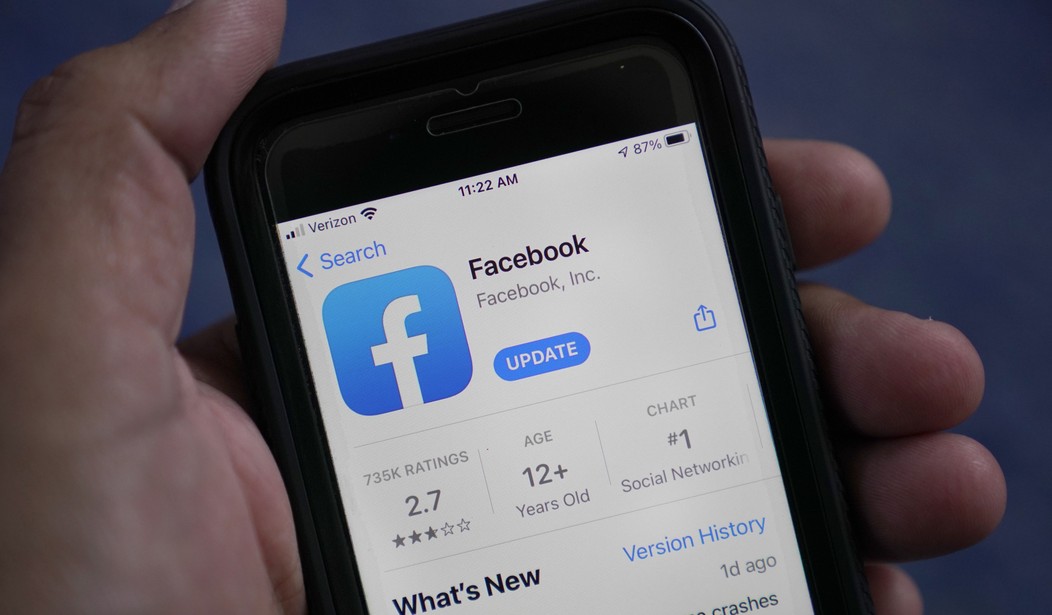
At the end of the last session of Congress, in December 2024, Senator Mike Lee (R-UT) and Representative John James (R-MI) introduced the App Store Accountability Act. The legislation is very simple: app stores must secure parental approval and age verification before a minor under 16 years old can download an app of any kind. Senator Lee and Representative James have not yet reintroduced their bill for the 119th Congress, but Utah just passed its own version at the state level, setting off what will likely be a domino effect of states passing similar legislation.
The App Store Accountability Act is a commonsense strategy for protecting kids online. The app stores are the chokepoint where kids download all kinds of apps. Some apps might seem harmless, but they contain inappropriate content and advertising, public chat room features, or intentional data breaches for Chinese app developers to exploit personal information. While parents can trust their sensitive information with the app stores, they can’t do so with every app. The app stores already have all the personal data they need to make this solution a reality, and the mechanism by which a parent receives a notification asking for their approval before their child can download an app is already an app store feature that parents can enable.
If the government tries to police content online, that just creates First Amendment issues. We’d be much better off ensuring that the app stores check the ages of their customers, which is no different than requiring convenience stores to verify the ages of their customers before selling them certain products intended for adults.
Most importantly, parents are asking for this solution. Nearly 90% of parents agree that they should play an active role in protecting their children online, and 76% of parents support the ability to restrict their children’s app downloads. Passing the App Store Accountability Act is, therefore, the best way for lawmakers to give parents what they want.
Parents are keenly aware of the dangers kids face on the internet and the importance of legislatively securing their own authority over their children. There’s a reason why the Parents Bill of Rights was so successful in the House of Representatives in 2023. Parents are demanding more involvement in the educational and social lives of their children after watching too much of it slip out from under their purview.
Technological advancement has offered society many educational and social benefits, but it has also created new challenges that require parents and policymakers to take commonsense steps to protect kids from harm. The App Store Accountability Act is a great example of that. I hope many states will follow Utah’s lead, and I look forward to its reintroduction in Congress and its passage at the federal level.
Ken Blackwell is an adviser to the Family Research Council and the American Constitutional Rights Union. He is Chairman of the Conservative Action Project.



Join the Conversation
VIP members get the ability to comment on articles.