





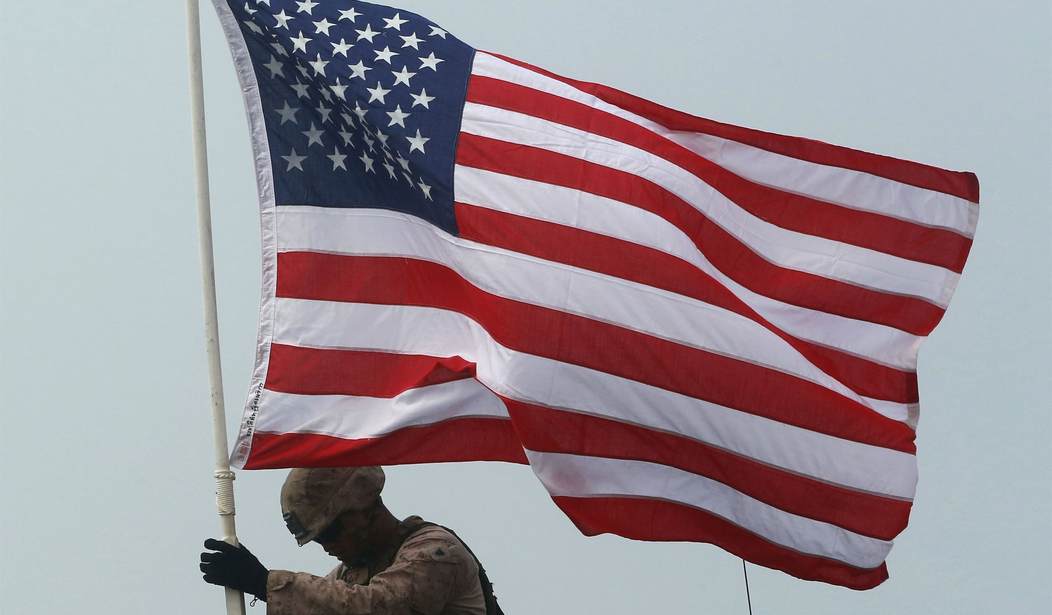
Now is the time of year that stores and companies move from displaying pride flags to draping everything in red, white and blue. Independence Day is about freedom. But what does that mean?
A mature and educated understanding of freedom is not libertine. It is not about doing everything we want. It is not about hyper-individualism. We make choices about freedom every day, and we all need them to be rooted in civic duty and virtue.
Decisions about freedom don't have to be faith-based, but Thomas Merton is helpful in getting to the practical roots of this concept. As a student at Columbia University and an atheist, Merton converted to Catholicism and later became a monk. In his book "Seeds of Contemplation," he wrote that freedom "does not consist in an equal balance between good and evil choices, but in the perfect love and acceptance of what is really good and the perfect hatred and rejection of what is evil."
He emphasized: "Only the man who has rejected all evil so completely that he is unable to desire it at all is truly free. God, in whom there is absolutely no shadow or possibility of evil or of sin, is infinitely free. In fact, he is Freedom."
The first presidential debate of this election season is about to be held, and many of us will readily admit we don't have high expectations, to put it mildly. You may belong to a particular political party, or have convictions that make one of the candidates unacceptable. That doesn't mean you find the other candidate a "catch," either. Freedom allows you to vote your conscience. Neither Joe Biden nor Donald Trump is owed your vote.
Respect the freedom of others as you exercise your own, however you do so. Friendships and family relationships have been harmed over politics in recent years. Remember, there is plenty to talk about at a weekend barbecue besides politics. Make the better choice!
Edith Stein, before she was murdered at Auschwitz by the Nazis, wrote of the importance of recognizing "how many small sacrifices are available daily and hourly as opportunities to advance in self-denial." She had been born into Judaism and considered herself an agnostic, but as a Catholic convert, had a newfound awe for the power and grace that come from using freedom well. She continued: "To the children of this world, such action probably appears as useless, senseless and petty. The Savior, who for 30 years filled his daily work with such small sacrifices, will judge differently."
On freedom, Stein wrote: "Children of the world say they are free when they are not subject to another's will, when no one stops them from satisfying their wishes and inclinations. For this dream of freedom, they engage in bloody battles and sacrifice life and limb. The children of God see freedom as something else. They want to be unhindered in following the Spirit of God; and they know that the greatest hindrances do not come from without, but lie within ourselves."
We can live in the world and choose not to imitate it. We can decide to elevate only those things that open our neighbors' senses to beauty, love and truth. (Most of our politics does not.)
As I often do, I think about the immiseration of abortion. Often, campaign ads and rhetoric about it only do more damage. There are so many ways we could help mothers and families. And what about the children, including those languishing in foster care? We must insist that everyone deserves better than abortion, and we must work together for human flourishing.
Celebrate freedom. And remember our miserable politics are an invitation for each of us to use our freedom better. Not just when it comes to presential elections, but in the daily decisions that are much closer to home -- and to the heart -- than what happens in Washington, D.C.
(Kathryn Jean Lopez is senior fellow at the National Review Institute, editor-at-large of National Review magazine and author of the new book "A Year With the Mystics: Visionary Wisdom for Daily Living." She is also chair of Cardinal Dolan's pro-life commission in New York, and is on the board of the University of Mary. She can be contacted at klopez@nationalreview.com.)


Join the Conversation
VIP members get the ability to comment on articles.