





The more things change, the more they remain the same. It’s an old adage, but it’s held true over the centuries.
Forgetting to check the weather report and being caught in a storm without an umbrella. Rude people on airplanes. The loud man at the bar brazenly boasting of his far-fetched accomplishments. It’s a different day, a different storm. A different flight, a different person. A different bar, a different loud man. The circumstances change, but the feeling is still the same.
While this feeling of déjà vu can creep into our personal lives all too often, it’s now spilling over into how the federal government responds to crises facing the country—more specifically, how it manages the unemployment system in the face of adversity.
Most readers will have been alive during the Great Recession and will vividly remember the struggles faced by their own family, and the struggles of the country writ large. Those were tough times for everyone. As a response, Congress created the Emergency Unemployment Compensation (EUC) program that allowed people to collect unemployment benefits for nearly two years—compared to just a few months under normal circumstances. Between 2008 and 2012, Congress expanded and extended this program nearly a dozen times.
Fast forward to 2020. The COVID-19 pandemic struck, and seemingly overnight the global economy and commerce came to a screeching halt. How did Congress respond? By signing a series of bills into law that, among other dreadful things, allowed folks to collect unemployment benefits for more than 18 months.
Sound familiar?
Much like the dreaded EUC program, the congressional and executive responses during the pandemic have had widespread negative effects.
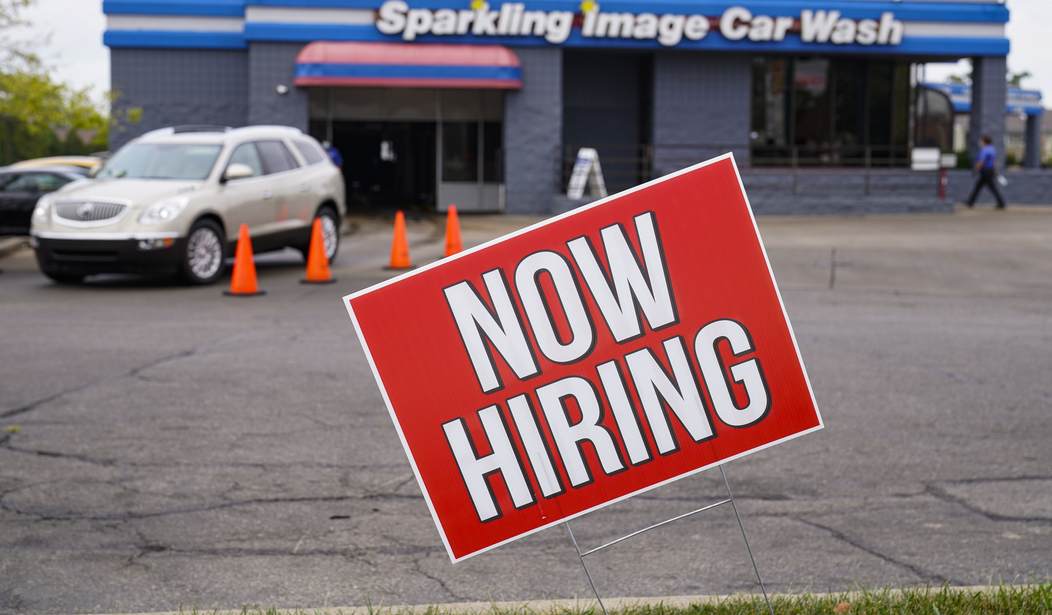
There are now nearly11 million open jobs nationwide with no one willing to fill them. In fact, there are more open jobs than people looking for work, and small businesses have been hit hardest.Seven in 10small business owners say that they’re struggling to fill open positions, which means your favorite local café owned by Jackie and Phil may soon be forced to close their doors for good.
Unemployment fraud has surged to rates that are likely to never be seen again. The U.S. Department of Labor Inspector (U.S. DOL) General has estimated that at least$89 billion of federal pandemic-related unemployment benefits were improper – but it gets worse. Private sector experts estimate that number could be closer to $300 billion. But how bad is that really? Well, in 2019, there were only $2.5 billion in identified unemployment overpayments. Needless to say, it’s more than unfair that working taxpayers are on the hook for poor Congressional decision making.
It gets worse than dollars and cents, though. The U.S. DOL has identified nearly $4 billion in payments to folks who applied for benefits in two or more states. In fact, someone applied for benefits in at least 45 states and hauled more than $350,000.In California, 76,000 pre-paid debit cards used by the state unemployment system were sent to people in states that don’t even border California.
These expanded unemployment benefits have also been a gateway to identity theft. The Federal Trade Commission has received nearly 400,000 complaints from victims who claim their identity was used to receive benefits – an increase of nearly 3,000 percent from 2019.
While the situation is dire, thankfully, there is some good news.
Congress saw the devastating effects the EUC was having on the economy, so in 2013 they abruptly ended the program. And the country immediately began to bounce back. In 2014 alone, more than three million jobs were added to the economy. Unemployment rates began to drop. Employers were finally able to fill open jobs.
Economists called this boom an “economic miracle” as the country surged past the Great Recession and into great prosperity.
The pandemic has been a much different beast than the Great Recession. But, as they say, the more things change, the more they remain the same. Despite the differences between these two crises, the path Congress should take remains the same. If America is to thrive again, if small businesses are to be fully staffed, if integrity is to be restored to the unemployment program, Congress must reduce unemployment benefit durations and fulfill the program’s original purpose—helping Americans get back to work.
Jonathan Bain is a research fellow at the Foundation for Government Accountability.


Join the Conversation
VIP members get the ability to comment on articles.