





When the White House Religious Liberty Commission convened last week for a hearing specifically about antisemitism in America, the purpose was solemn and clear: to listen to victims of Jew-hatred, to equip law enforcement and religious leaders with tools to recognize and counter it, and to affirm the priceless place of the Jewish people in both our heritage and our constitutional order.
Instead, what transpired was an attempt at political grandstanding—a hijacking of the forum by Commissioner Carrie Prejean Boller, who used a hearing on antisemitism to interrogate witnesses about Israel’s conduct in Gaza and to question whether not supporting the Jewish state should be considered antisemitic.
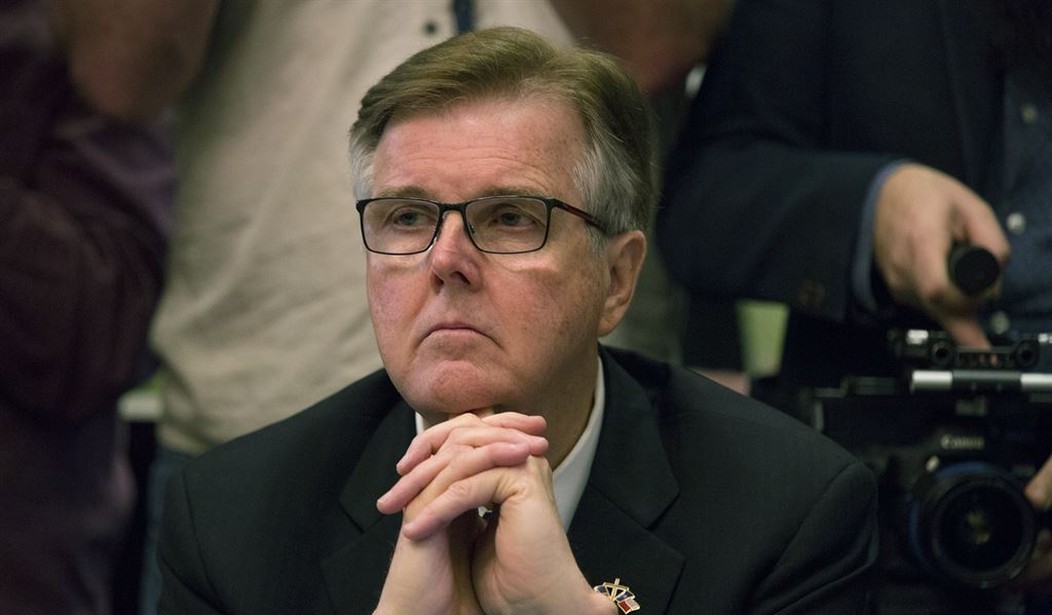
Chairman Dan Patrick was right to remove her. Patrick’s statement was blunt but accurate: “No member of the Commission has the right to hijack a hearing for their own personal and political agenda on any issue.”
This was not a matter of mere disagreement over policy or theology. It was a derailment of the very subject at hand; a subject that religious liberty advocates have a duty to confront with clarity, moral seriousness, and theological sobriety. Instead, Prejean Boller turned the hearing into a platform for political provocation.
Her line of questioning (whether opposing the political State of Israel amounts to antisemitism) is not new. It has been a totem of online conservative dissent for years. But political dissent is not the same thing as theological inquiry or religious conscience. And when such questions are raised at a forum devoted to antisemitism, especially when real Jewish students and families testified about threats to their safety on campus, it’s not just tone-deaf. It’s harmful and disrespectful.
Those who reflexively defend Prejean Boller claim she speaks from a “matter of conscience” or that she’s merely drawing distinctions between anti-Zionism and antisemitism. But that explanation rings hollow when it’s not offered in good faith or with respect at for example a theological forum, but in a government commission hearing designed to address rising Jew-hatred and real threats faced by Americans today. Her conduct wasn’t a thoughtful critique or participation in a debate, it was a political performance—and one more suited to an X thread than a serious policy hearing.
This episode lays bare a broader problem I’ve written about previously: that the new insurgent right’s revolt isn’t really about Israel, at least not in any doctrinal or enduring way. For those who want to shape the party after Trump leaves office, it’s about diverting MAGA/GOP to a new godless populism and marginalizing serious theological influence to gain political power. For them, saving the West and our American ideological framework of the founding is far less important and only relevant to the extent it helps them attain power.
For those like Boller who are playing an even simpler parasitic game, it’s about grift, notoriety, and agenda building. Israel policy has become a badge of identity and a marketable stance for political “influencers” seeking to build personal brands and social media followings. The substance of the debate—history, theology, ethics, law—often takes a back seat to spectacle.
This isn’t just politics. It’s the commodification of religious language and identity for attention. And it plays poorly in spaces where human lives and constitutional freedoms are at stake, not just headlines and follower counts.
I’m not arguing that every critic of Israeli policy is antisemitic. Thoughtful, principled critiques are valid topics of discussion in appropriate venues. But a hearing on antisemitism isn’t one of them. It’s a category error at best, and at worst a cynical, selfish effort to blur the lines between political critique and bigotry for personal gain.
Chairman Patrick’s decision was not merely procedural; it was a moral correction. The commission exists to protect religious liberty, including against antisemitism. It does not exist to become a stage for social media theatrics. The Right’s credibility on religious liberty and on antisemitism depends on our ability to defend genuine religious freedom while rejecting cynicism masquerading as conscience.
If the conservative movement hopes to retain moral authority on issues of faith, law, and human rights that then extends into public policy, we must refuse to reward those who mistake provocation for principle. In this moment, Dan Patrick did exactly that, and the rest of us should take notice.


Join the Conversation
VIP members get the ability to comment on articles.