





On October 1, 2026, the U.S. Assistant Attorney General issued an enforcement directive creating new whistleblower incentive programs within the DOJ. This new National Fraud Enforcement Division issued a directive titled "Corporate Enforcement in the Fight Against Fraud." Basically, the directive mandates the immediate creation and implementation of whistleblower policies to combat white-collar crime. Today's AI giants are the epitome of "white-collar" industries.
Unbeknownst to many, since America's founding, whistleblowers have played a vital role in exposing misconduct that threatens public safety and well-being, whether in government, public programs, or the private sector. Whistleblowers’ contributions are especially important in government, where they expose corruption and wrongdoing that might otherwise remain hidden.
The Price of Whistleblowing
What many people fail to realize is that whistleblowing is not only arduous but often dangerous. It requires individuals to take significant personal and professional risks to bring critical information to those who can act on it. In the private sector, whistleblowers might face additional obstacles created by internal policies and procedures that make exposing misconduct even more difficult.
The process is often marked by uncertainty and fear, particularly because of the potential for retaliation by powerful institutions or by colleagues. Many whistleblowers, nonetheless, risk everything for the public good, exposing improper or unlawful behavior that others are unwilling or afraid to confront.
Most whistleblowers have little experience making decisions of this magnitude. Many assume their courage and commitment to the public interest will be recognized and appreciated. Too often, just the opposite occurs. Whistleblowers might be regarded as troublemakers, tattletales, or even traitors. Their professional and personal reputations could suffer lasting damage depending on how the legacy media, employers, and the public interpret their actions.
Faced with these risks, whistleblowers often struggle with anxiety and self-doubt, uncertain whether speaking out will ultimately benefit others or will destroy their own lives and careers. The decision usually is not made lightly. It requires courage, resilience, and conviction.
The Legal and Procedural Challenges
One of the huge barriers to whistleblowing is the lack of clear, consistent protections and reporting procedures. In both the public and private sectors, legal safeguards are often incomplete, inconsistent, or outdated.
In the private sector, more than 60 federal statutes provide some form of whistleblower protection, many of them enacted only after major scandals demonstrated the need for reform. In aviation, whistleblower disclosures have led to significant safety improvements. In finance, the Dodd-Frank Act of 2010 established important protections and incentives for individuals reporting securities fraud.
Even with these safeguards, an estimated 90-plus percent of whistleblowers who suffer reputational harm failed to follow established reporting procedures before making their disclosures. In bypassing recommended channels, they often expose themselves to legal and professional risks. Equally troubling, existing systems frequently fail to protect the very people they were designed to support.
The Media Dilemma
Some whistleblowers believe that turning to a major news organization will shield them from retaliation. Daniel Ellsberg's release of the Pentagon Papers remains one of the best-known examples of whistleblowing amplified through the press. More often, however, media exposure can have unintended consequences.
While the media might provide a powerful platform for exposing wrongdoing, it can also eliminate any anonymity or confidentiality initially promised. This leaves whistleblowers more vulnerable. What begins as an effort to protect the public can end in severe personal, professional, and financial consequences.
As for seeking confidentiality, the law offers only limited protection. No federal law guarantees complete anonymity. In some circumstances, courts can compel journalists to reveal confidential sources, exposing those brave souls who report corruption to retaliation and public scrutiny. Thus, potential whistleblowers can become discouraged from coming forward, and so one of society's most important safeguards against misconduct is weakened.
The Limits of Protection
Whistleblower protections generally fail to keep pace with rapidly evolving technology. Consider an employee at a leading AI firm who believes the technology could pose huge risks to society. That individual could have few clear legal protections against retaliation for speaking out.
As technology advances, the law needs to evolve with it to ensure that whistleblowers in emerging industries receive meaningful protection.
Government employees often have access to formal procedures that allow them to report misconduct while minimizing personal risk. Depending on their agency and position, they might be able to submit confidential reports that help protect their identities. Whenever possible, whistleblowers should fully explore these established channels before publicly disclosing sensitive information.
In the private sector, the path is often far more perilous, hence the DOJ’s recent action. Anyone considering whistleblowing should consult an attorney experienced in whistleblower law before disclosing sensitive information. Sound legal advice is essential. Without it, whistleblowers could be exposed to retaliation or legal liability.
Society's Responsibility
The Trump Administration is aware that as a society, we need to become more supportive of authentic whistleblowers. They perform an essential public service by exposing fraud, waste, abuse, and corruption in institutions for which citizens have no inside information.
At a time when the legacy media is less committed to impartial investigative reporting, whistleblowers are more important than ever. As such, independent journalists play a vital role in holding powerful institutions accountable.
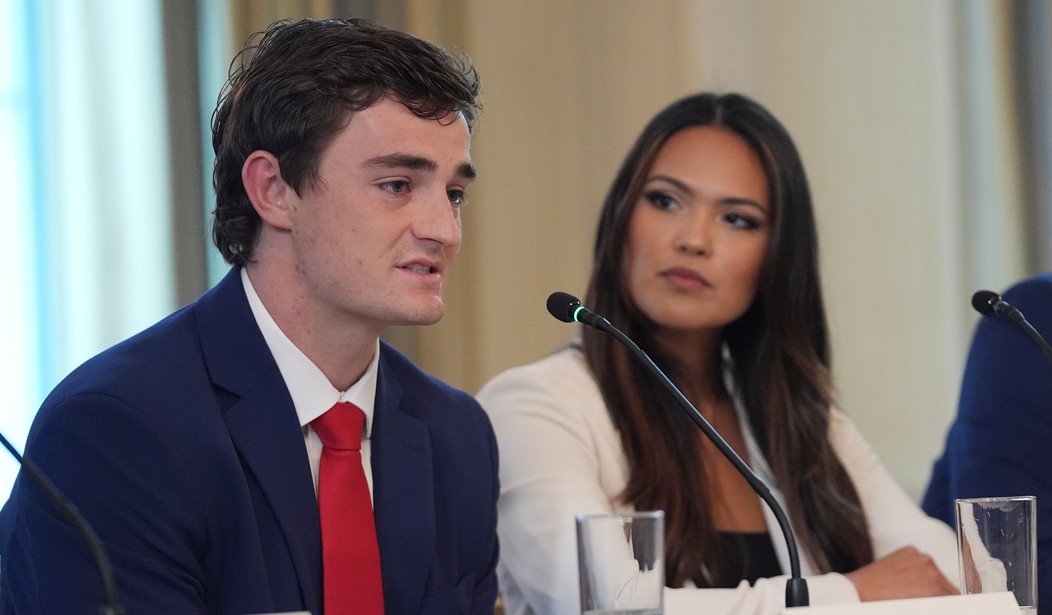
Nick Shirley's reporting on alleged fraud involving Minneapolis education and daycare programs is a prime example. Taxpayers, who ultimately fund many of these programs, are the beneficiaries of such reporting. Without courageous whistleblowers and independent journalists willing to pursue these stories, countless fraudulent schemes might continue unchecked.
Integrity Matters
Overall, whistleblowers do more than expose wrongdoing; they help preserve the integrity of our institutions and safeguard the public interest. Unquestionably, they deserve meaningful legal protections, fair treatment, and public respect.
Strengthening such protections encourages responsible whistleblowing. This can strengthen public trust for generations to come.
Editor’s Note: Do you enjoy Townhall’s conservative reporting that takes on the radical Left and woke media? Support our work so that we can continue to bring you the truth.
Join Townhall VIP and use promo code FIGHT to receive 60% off your membership.

Join the Conversation
VIP members get the ability to comment on articles.