





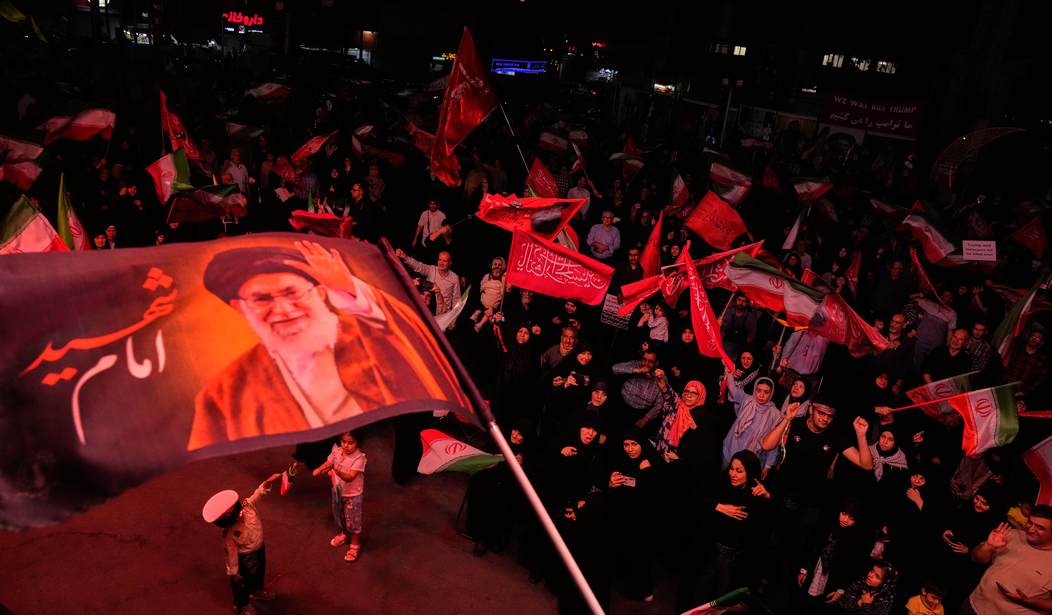
Today, most American adults alive in 1979 remember the Iranian Revolution, which triggered a series of events including the taking of American hostages, some for 444 days.
At the time, Ayatollah Khomeini was more than a religious zealot. He ruled Iran with an iron fist. His image — a face as grim as the devil — appeared on flyers, posters, and public displays, symbolizing to the entire region and to the West the harsh and oppressive nature of his regime.
Carter to Bush Sr.
President Jimmy Carter’s response to the crisis was viewed as ineffective. He authorized a military campaign, called Operation Eagle Claw, in April 1980 to free the hostages, but it failed. The helicopters commissioned for the rescue were not suited to the desert environment, and the mission ultimately collapsed. In many ways, Carter never recovered from this failure.
On the day of Ronald Reagan’s inauguration, the hostages who had been held for 444 days were released. Apparently, the Reagan administration engaged in back-channel negotiations to secure their release, as opposed to the notion that Iran acted out of fear of Reagan’s policies.
Reagan stated plainly that Iran was a dangerous nation. He criticized its leadership and its treatment of citizens, but he did little to curtail Iran. Further, he brought shame to his administration by selling arms to Iran. His successor, George H.W. Bush, continued to view Iran as a major threat to U.S. interests and global stability, though his actions to limit Iran’s influence were limited to containment activities.
Clinton to Obama
President Bill Clinton, serving two terms, highlighted Iran’s sponsorship of terrorism worldwide, frequently linking acts of violence to Iranian influence or support. However, Clinton did not take significant direct military action against Iran.
Like his predecessors, George W. Bush expressed strong opposition to Iran. During his tenure, Iran engaged in activities that threatened U.S. interests, while Bush consistently warned that Iranians were targeting Americans abroad. Nevertheless, his approach relied largely on rhetoric rather than direct intervention.
Around 2009, President Barack Obama announced that Iran was pursuing nuclear weapons. Multiple sites, including underground facilities, were enriching uranium beyond civilian needs. Throughout Obama’s administration, Iran continued hostile operations. Notably, Obama released frozen Iranian assets, which ultimately fueled Iran’s nuclear ambitions.
Trump, Through Biden, to Trump
In his first term, Donald Trump took a hard line against Iran. While managing multiple global challenges, including Russia, China, North Korea, Cuba, Venezuela, and Syria, Trump acted decisively to counter Iranian threats.
Joe Biden succeeded Trump in 2021. His administration repeatedly stated that Iran needed to be restrained. Yet, in one form or another, he transferred funds to Iran, which undoubtedly supported its nuclear program. Biden’s compliance with Iran underscored the need to curb Iran’s ambitions and to not support it.
In his second term, Donald Trump was acutely aware of Iran’s long history of targeting U.S. and allied interests over nearly five decades. Directly or indirectly, tens of thousands of Americans had been affected by Iranian-backed actions. Trump emphasized preemptive measures to prevent further escalation, understanding the limitations of prolonged military engagement and the scrutiny of the public and media. As Iran's nuclear weapon ambitions became too much to risk, Trump took swift action.
As we’ve witnessed, the results of these policies included significant degradation of Iran’s military capabilities. While opinions differed even among the GOP on the necessity of these actions, they accent a long-standing question: how best to respond to Iran's murderous regime and endless threats?
No More Kicking the Can
Across eight presidents, from Carter to Trump, the U.S. has faced evolving challenges in balancing diplomacy, military action, and national security. For decades, presidents and elected representatives have issued strong warnings about Iran, without taking decisive action. In truth, all the presidents except Trump kicked the can down the road.
It's easy to stand up behind a lectern and make bold pronouncements about how the U.S. must not allow Iran to do this or that. Still, years and even decades passed, and Iran was as belligerent as ever. So, let us acknowledge that President Trump made the ultra-tough call to make a preemptive strike to curtail Iran.
Now nearing the end of August, Trump must achieve closure within September so that the legions of short-memory voters will not be impacted by this war come the first week of November.
A Counter-Campaign as Usual
While many Americans soundly back him, few understand how important taking out Iran completely will be for the peace and tranquility of our nation and for the rest of the world. Predictably, the left is inventing ways to punch holes in the true narrative, minimizing the danger that Iran poses, making it seem as if Trump is an overly aggressive arch villain, and influencing Americans that we simply can't tolerate such a leader.
As usual, nothing could be further from the truth.
Editor’s Note: Do you enjoy Townhall’s conservative reporting that takes on the radical Left and woke media? Support our work so that we can continue to bring you the truth.
Join Townhall VIP and use promo code FIGHT to receive 60% off your membership.

Join the Conversation
VIP members get the ability to comment on articles.