





The Democratic Socialists of America constantly seek to portray themselves as a vital force for 'social' justice and as champions of ordinary working people. Is this actually true, or is it grand posturing, namely virtue signaling taken to extremes? Are these Socialists fundamentally benign or, more likely, are they power-hungry authoritarian wannabes?
The Cambridge Dictionary defines virtue signaling as "an attempt to show other people that you are a good person... especially on social media," or indicating one's virtue simply by expressing approval or disapproval of fashionable political or cultural causes.
Consumer advocate John Stossel has observed that virtue signaling has never been easier. In the past, caring about, say, the environment often meant volunteering, cleaning up parks and streams, donating time, or making genuine lifestyle changes. Today, many people, particularly the politically opinionated, simply post a slogan online, collect a few "likes," and consider the task done.
The internet has made moral posturing virtually effortless. Anyone can declare, "We support a healthy environment," or "We must leave the Earth better than we found it." Such statements sound admirable, but they cost the declarants nothing. Meanwhile, a neglected neighborhood might sit just blocks away. Polluted waterways, illegal dumping, and deteriorating public spaces generally receive far less attention than the latest viral hashtag.
In today's culture, public declarations frequently seem to matter more than private deeds. For many, appearing compassionate has become more important than being compassionate.
The 2023 toxic train derailment in East Palestine, Ohio, exposed that contradiction. Residents faced legitimate concerns about hazardous chemicals, contaminated air and water, and long-term health effects. Critics argued that senior Biden administration officials, including Transportation Secretary Pete Buttigieg, responded too slowly to a rapidly unfolding crisis.
If environmental activism is truly about protecting people, East Palestine should have commanded immediate and sustained attention. Yet, many of the loudest voices on social media had surprisingly little to say. The silence was difficult to ignore.
How many self-described environmental activists regularly volunteer for roadside cleanup projects? How many participate in Adopt-a-Highway programs? How many devote time to organizations such as the Sierra Club? How many significantly reduce their own consumption or alter their daily habits? Not the Hollywood jet-setters. Not Al Gore.
In the aggregate, no reliable statistics answer those questions. Even so, they expose an uncomfortable reality: much of today's activism appears designed for public consumption rather than measurable results. Yard signs proclaiming "Science Is Real" or "Black Lives Matter" require little sacrifice. Neither do hashtags or reposted slogans.
Some demonstrations provide professionally printed signs for participants and, in certain instances, organizers have compensated attendees for showing up: 'activism' at bargain-basement prices.
Earlier generations expressed compassion through direct action. They delivered meals, offered transportation, donated clothing, found jobs for struggling neighbors, and opened their homes to those in need. Their concern demanded time, effort, and personal sacrifice.
The same was true of environmental stewardship. People recycled before it became fashionable. They picked up litter, removed hazardous materials from their homes, conserved energy, and changed their own behavior instead of merely urging others to change theirs. Actions, not slogans, defined commitment.
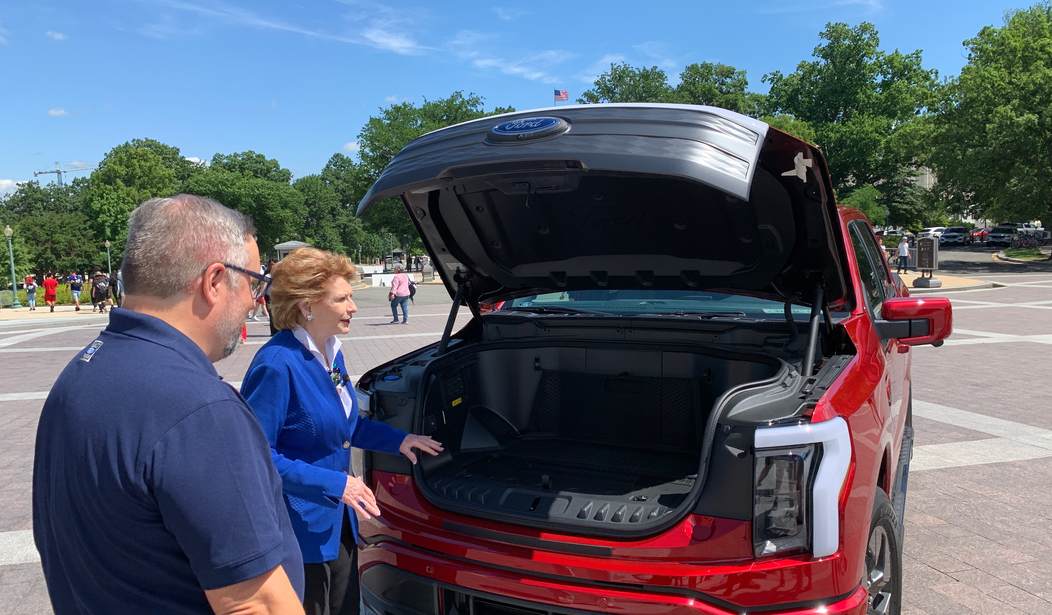
Electric vehicles provide a juicy example of how complicated environmental questions often become simplified into moral symbols. Buying an electric vehicle might signal environmental concern. However, manufacturing those vehicles requires enormous quantities of lithium, cobalt, nickel, and other critical minerals. Mining those materials carries significant environmental costs and, in some parts of the world, troubling humanitarian consequences.
Electric vehicles rely on batteries that eventually require disposal or recycling. The electricity used to charge them frequently comes from coal, natural gas, or other fossil fuels.
None of this means that the concept of an electric vehicle is a bad idea. It means that mandating the purchase of electric vehicles is not the simple, moral proposition that lefty advocates portray it to be. Complex issues deserve honest debate, not simplistic slogans.
In short, leftists love virtue signaling because it offers many of the social rewards of genuine virtue without demanding the corresponding effort. It allows people to appear caring, informed, and morally enlightened while sacrificing little beyond a few keystrokes or while spending other people's money.
Real virtue is different. It requires consistency. It requires humility. Most of all, it requires action. Public posturing is easy. Actually making a difference rarely is.
Editor’s Note: Do you enjoy Townhall’s conservative reporting that takes on the radical Left and woke media? Support our work so that we can continue to bring you the truth.
Join Townhall VIP and use promo code FIGHT to receive 60% off your membership.



Join the Conversation
VIP members get the ability to comment on articles.