





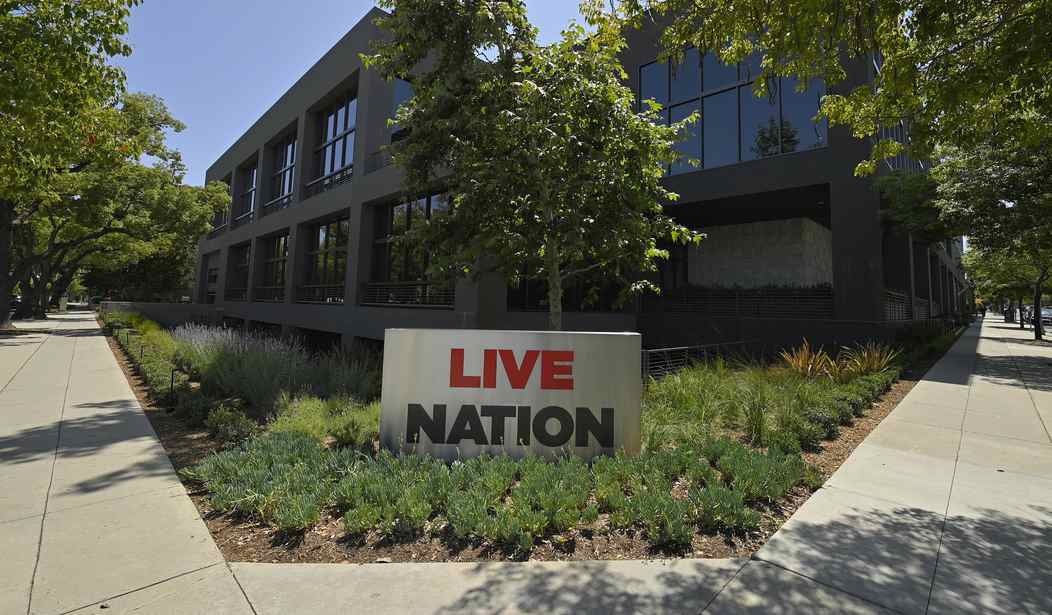
The curtain ripped open recently, and the backstage view was uglier than a 3:00 AM load-out. Internal Slack messages from Live Nation executives surfaced in federal court filings, with a regional ticketing director reportedly calling fans “so stupid” for shelling out VIP prices while colleagues bragged about “robbing them blind.” These weren’t rogue texts from a disgruntled intern, they’re the standard shop talk inside a company that controls the entire live-music pipeline. Live Nation’s defense, dismissing it as harmless “banter,” is about as credible as the Sopranos claiming they were just in the “waste management” business.
I’ve been buying concert tickets since the early 1980s, back when floor seats for Bruce Springsteen didn’t require a second mortgage. Today, it’s unrecognizable. The 2010 Live Nation-Ticketmaster merger created a vertical behemoth that now dominates over 80 percent of primary ticketing at major venues. The Department of Justice (DOJ) sued, alleging anticompetitive tactics like exclusive venue contracts and retaliatory threats. In March 2026, the DOJ reached a settlement—no breakup, a $280 million fund, minor fee caps at 15 percent, and some platform openings for rivals. But more than two dozen states, including California, rejected the deal as too weak and kept the antitrust trial going in New York federal court. For millions of fans, this “settlement” changes little.
This isn’t free-market capitalism, it’s crony monopoly power dressed up as innovation. “Dynamic pricing” is just a fancy term for surge pricing that turns buying a ticket into a high-stakes day-trading session. Convenience fees routinely exceed 30 percent of the ticket price. Long-term exclusive contracts lock venues in, barricading competitors and punishing anyone who dares choose a better option. While Beverly Hills executives count record revenues, working families are priced out of the communal escape that live music once provided.
As a free-market conservative with over 30 years in private equity, private credit, hedge funds, and wealth management, I believe in profit earned through competition and value creation. What I don’t believe in is government-enabled cartels that treat customers like marks in a rigged game. When one company controls the pipeline from promotion to ticketing to venues, “fair exchange” disappears. The Stoics understood this centuries ago: a transaction should benefit both parties, not just the house.
History is clear that monopolies don’t just raise prices; they degrade the soul of the product. My last great night at the Hollywood Bowl reminded me why we care: the pure adrenaline of “Baba O’Riley” at full volume. But when the industry openly mocks fans as “stupid” while fleecing them, loyalty evaporates.
The DOJ’s March settlement was classic Washington theater, weak concessions that avoid real structural change. The states pressing forward are right to demand more. Real solutions aren’t complicated:
1. Mandate Transparency: All-in pricing, including every fee, must appear on the very first screen. No more hidden “service charges” at checkout.
2. End Exclusivity: Ban long-term exclusive ticketing contracts that prevent venues from choosing better, cheaper technology and real competition.
3. Protect Fans in the Resale Market: Support legislation that cracks down on abusive scalping while preserving the right of legitimate ticket owners to transfer or resell what they bought.
Neil Peart of Rush captured it perfectly: “One likes to believe in the freedom of music, but glittering prizes and endless compromises shatter the illusion of integrity.” It’s time to restore that integrity to the live music business.
Until the suits fix the mess they’ve made—or Congress and conservative state attorneys general force real reform—I’ll keep that second mortgage on standby, just in case Led Zeppelin announces one last run. But the stranglehold has to end. American consumers deserve better than being treated like suckers in a corporate grift.
Jay Rogers is a financial professional with more than 30 years of experience in private equity, private credit, hedge funds, and wealth management. He has a BS in criminal justice from Northeastern University and has completed postgraduate studies at UCLA, UPenn, and Harvard. He writes about issues in finance, constitutional law, national security, human nature, and public policy.
Editor's Note: Do you enjoy Townhall's conservative reporting that takes on the radical left and woke media? Support our work so that we can continue to bring you the truth.
Join Townhall VIP and use promo code FIGHT to receive 60% off your membership.


Join the Conversation
VIP members get the ability to comment on articles.