





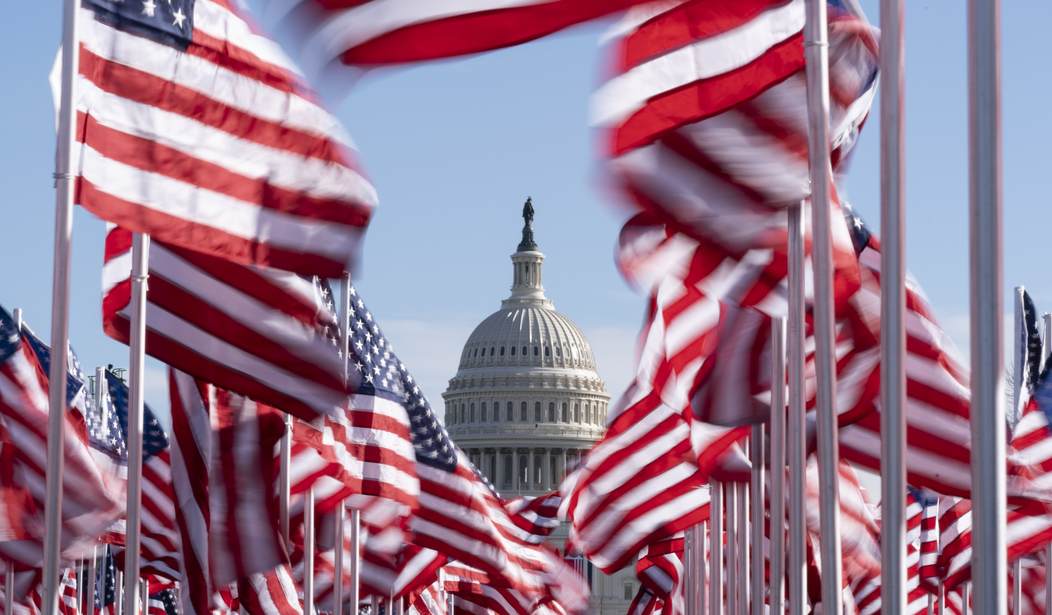
If the average lifespan of a great empire is 250 years, then our obsession with celebrity shows that the United States of America is well on track for its 2026 date with disaster.
That would be the prediction of Sir John Glubb, based on his now infamous missive “The Fate of Empires.” While the British knight wrote the essay in 1974, based on his vast experiences and extensive study of history, it didn’t get much attention until recently, as he determined that great empires last about 10 generations or 250 years – and that’s about how old the Declaration of Independence is.
Consider the following empires and the length of time between their rise and fall:
Assyria — 859-612 B.C. — 247 years
Persia — 538-330 B.C. — 208 years
Greece — 331-100 B.C. — 231 years
Roman Republic — 260-27 B.C. — 233 years
Roman Empire — 27 B.C.-A.D. 180 — 207 years
Arab Empire — 634-880 — 246 years
Mameluke Empire — 1250-1517 — 267 years
Ottoman Empire — 1320-1570 — 250 years
Spain — 1500-1750 — 250 years
Romanov Russia — 1682-1916 — 234 years
Britain — 1700-1950 — 250 years
An empire’s military success leads to wealth, which leads to decadence among the descendants of those who created that wealth, which leads to collapse. Though Glubb goes into a variety of signs of that decadence, he’s eerily prophetic with singling out celebrity worship:
Let us eat, drink and be merry, for tomorrow we die. The resemblance between various declining nations in this respect is truly surprising. The Roman mob, we have seen, demanded free meals and public games. Gladiatorial shows, chariot races and athletic events were their passion.
Judging by the time and space allotted to them in the Press and television, football and baseball are the activities which today chiefly interest the public in Britain and the United States respectively. The heroes of declining nations are always the same—the athlete, the singer or the actor. The word ‘celebrity’ today is used to designate a comedian or a football player, not a statesman, a general, or a literary genius.
Again, this was written in 1974.
Regarding the fall of the Arab empire 1000 years ago, Glubb explores the toxic influence of celebrity at the time. Citing contemporary historians of Baghdad at the time, Glubb continues:
The historians commented bitterly on the extraordinary influence acquired by popular singers over young people, resulting in a decline in sexual morality. The ‘pop’ singers of Baghdad accompanied their erotic songs on the lute, an instrument resembling the modern guitar. In the second half of the tenth century, as a result, much obscene sexual language came increasingly into use, such as would not have been tolerated in an earlier age.
He said khalifs tried to ban these singers from the capital, but unsuccessfully. Baghdad collapsed and took its vast empire with it. And these singers just had lutes – imagine how much damage they could have done if they’d had TikTok.
Some examples of frivolous, distracting news-cycle dominating pop culture stories reminiscent of this phenomenon include:
-Prince Harry and Meghan Markle made a big deal about stepping back from the royal family…only to make a big step forward with an Oprah Winfrey tell-all interview and a lucrative Netflix deal.
-Former model Linda Evangelista suffers side effects from her allegedly botched CoolSculpting procedure, files a $50 million lawsuit against side effects that are shared in consent form.
-Ashton Kutcher and Mila Kunis admitted they don’t bathe their children frequently, sparking a large parental debate. (They did also raise $30 million for Ukraine, so that is celebrity working the way it should.)
-Kim Kardashian and Kanye West divorce, then America is enamored with Kim’s dating life and Ye’s regrettable behavior. Finally, the slap heard round the world at the recent Oscars, a moment as ludicrously overblown as it was obviously staged.
There is no shortage of legitimate breaking news nowadays, especially since it seems like the world order that is the American empire is breaking. Our economy is teetering on the verge of a depression, aggression in Ukraine could be the Archduke Ferdinand moment that sparks World War III, and the monstrous Chinese regime is just waiting to conquer the world after we’re too weak to stop them.
Regardless, our nation’s newscasters and influencers shower their attention on superfluous stories that put legitimate, pressing stories on the back burner. The news might not be as rosy, but neither is the world right now. If our culture keeps placing unnecessary attention on the dating preferences of the Kardashian clan or what celebrity’s elective surgery backfired, it will be that much harder to get people to pay attention and take action on things that matter.
And if we don’t make some big changes fast, by 2026 it won’t matter whether we do or not.


Join the Conversation
VIP members get the ability to comment on articles.