





Cities around the country have announced dramatic budget cuts to their police departments, responding to calls from protests demanding that they “defund the police.” However, the reality for the residents of these communities is that defunding police departments will only worsen the very conditions at the heart of the recent firestorms of unrest, promoting inequality and further deteriorating relations between police departments and the communities that they are meant to serve.
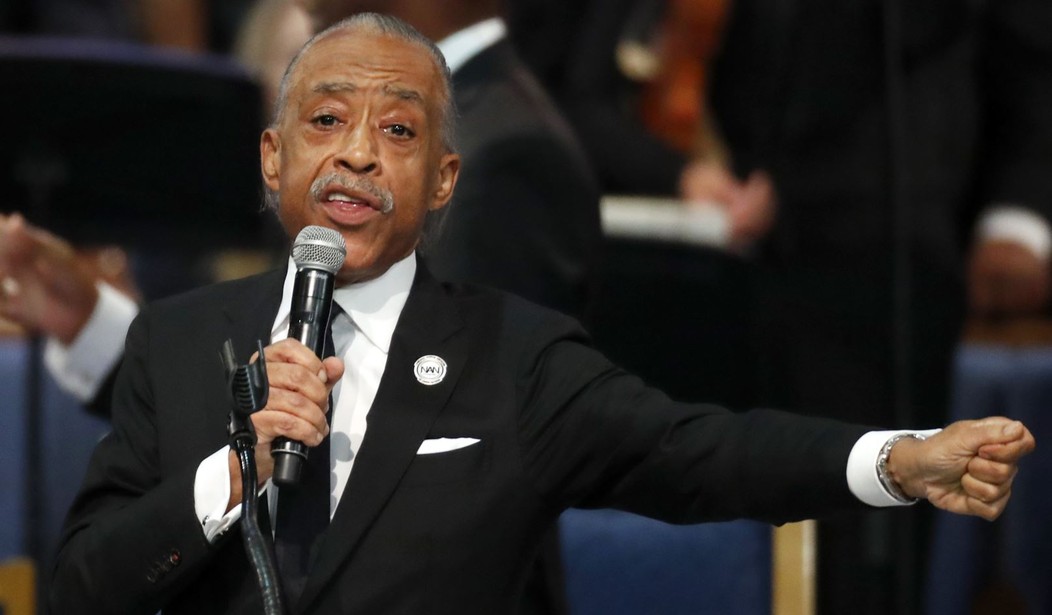
Al Sharpton, last Tuesday, eloquently captured this dilemma on MSNBC’s "Morning Joe," describing blanket budget cuts to police departments as a “latte liberal” idea, formed distinct from the reality of those who have to live day-to-day in violent, high-crime neighborhoods.
Far from its expressed objective, defunding police departments will make inequality worse. The vast majority of the population (including Black Americans), want police to retain their local presence. Unique research from Urban Institute finds that residents in high-crime and low-income communities believe strongly in the importance of rule of law but are very cynical when it comes to the police actually solving crime effectively or acting in a procedurally-just manner.
Boiling the results of this study down, people generally want safety and stability in their communities; however, decades of discrimination and ineffective policing, such as overenforcement of drug offenses and unreliable police response to solving burglary and homicide in underserved communities has led to residents becoming self-reliant for protection. In the absence of effective policing, communities depend on informal institutions, paving the way for gangs and other criminal organizations to take control and further sever any chance for cooperation with police. This exposes communities to a vicious cycle of dangerous behavior and further violence. Cutting police budgets will only render police departments even more inept in providing necessary services to the communities that they are meant to serve, deteriorating any remaining relationships between departments and their residents.
The budget cuts won’t impact all residents equally. As is the case with all city services, police departments have extra incentives to prioritize retaining their presence in wealthier neighborhoods. These areas tend to generate the most tax dollars but also, wealthier neighborhoods tend to be better organized. They are more likely to report crimes, cooperate with police, and directly engage with their local governments in demanding better services. Ultimately, wealthier neighborhoods will be better capable of internalizing budget cuts, either through advocacy in local government or in the form of unaccountable private policing and security contracts by HOAs. As with almost anything else, underrepresented communities will be last in line for any remaining services.
Inequality will only widen. Wealthy neighborhoods will retain their stability and security, and investment will continue to flow out of poorer communities as patrols are reduced, crime rises, insurance premiums jump, and neighborhoods fall further into the cycle of violence that has held back communities across the country.
Rather than budget cuts, policymakers should rely on data-driven reform. Communities should focus on targeting the incentive structures of departments, emphasizing efficient and procedurally just police enforcement of laws that benefit communities such as solving burglaries and violent crimes.
Enforcement of drug crimes disproportionately targets minorities and has little benefit for communities as drug use/sales tend to be endemic of a larger problem in the form of lower opportunity and disenfranchisement. Improving the way police handle crimes like burglaries and homicide would promote the stability that allows businesses and investment to thrive, which in turn would provide more opportunities for residents to pursue personal and economic development.
Taking a cue from academic research and survey data, city councils should prioritize data driven policing, maintaining a higher level of accountability for officers through independent review boards, and limiting the influence of public sector unions. Removing political considerations when reviewing the actions of police officers would be a positive step to rebuilding community trust.
Finally, city councils should emphasize community policing. It is important that police forces are diverse and representative of the communities they serve. Effective policing is centered around building community. By ensuring that officers are stakeholders in the neighborhoods they police, you create strong incentives for cooperation and, rather than feeling oppressed, communities are able to view their local departments as an asset.
It goes without saying: This is a highly divisive time. Now, more than ever, it’s important to focus on principled reform, setting aside convenient political slogans for a sober approach to understanding the needs of our communities and ensuring that any actions we take don’t make the problem all the worse.
Hugo Dante is a Young Voices contributor, D.C.-based banking policy analyst, and doctoral student in economics at George Mason University. Follow him on Twitter @hugodantejr

Join the Conversation
VIP members get the ability to comment on articles.