





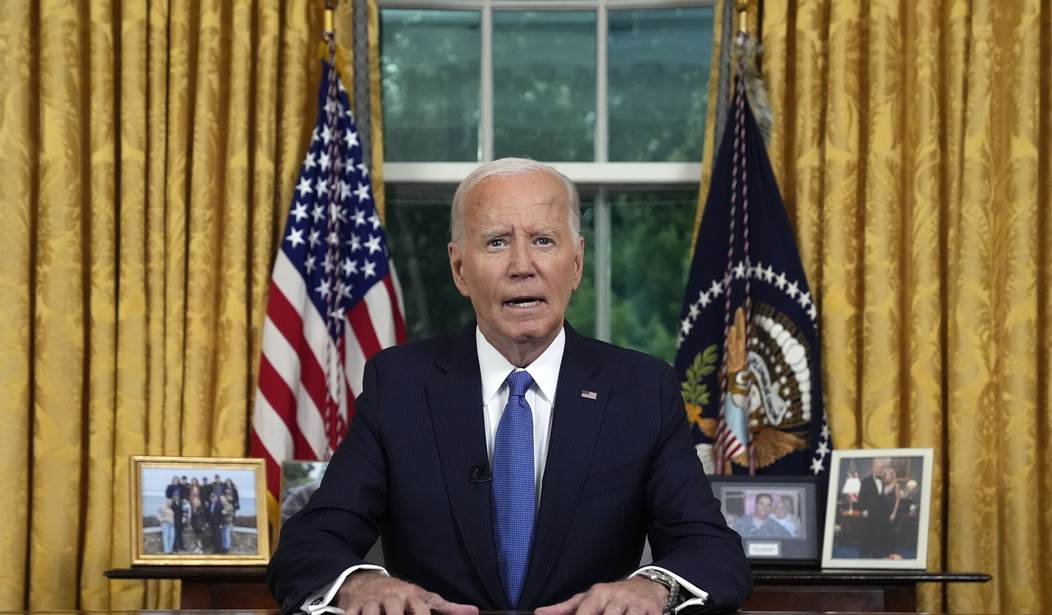
As the conflict involving Iran intensifies and the United States military focuses on deterring one of its most dangerous adversaries, much of the national media has chosen to focus on something else entirely. Instead of analyzing military strategy, deterrence policy, or the broader geopolitical implications of confronting the Iranian regime, several outlets have focused on a far more trivial narrative: Pentagon spending on crab legs, lobster tails, and steak.
Headlines across left-leaning publications have framed these expenditures as evidence of reckless or even absurd spending under Department of War Secretary Pete Hegseth. CNN has reported on the purchases. The Independent ran headlines emphasizing that the U.S. military spent millions on seafood before the Iran conflict. The Daily Beast portrayed the spending as part of a broader effort to characterize Hegseth as irresponsible.
Taken at face value, those headlines sound dramatic. In reality, the narrative collapses the moment the numbers are placed in context.
The Pentagon did spend millions on food items such as crab, lobster, and steak. What many of the stories conveniently omit, however, is that the Pentagon spent similar amounts under the Biden administration as well.
Using the same watchdog organization, Open the Books, which released the September 2025 spending report that many of these left-leaning outlets are citing, the story appears far less scandalous than the headlines suggest. Federal agencies routinely accelerate contract and grant spending in the final days of September because unused funds can expire at the end of the fiscal year. This pattern has existed for decades.
The media correctly reported that during the month of September 2025, the Department of War spent $50.1 billion in the final five working days of the fiscal year.
In fiscal year 2024, during the final year of the Biden administration, the Department of Defense spent $33.1 billion in the last five working days of September. On September 27 alone, the department spent $11.7 billion on contracts and grants. When placed in that context, the fiscal year 2025 numbers become far more understandable.
There is still roughly a $20 billion difference, which initially sounds large until the broader context is considered. The defense budget itself increased between those two fiscal years, meaning the end-of-year spending surge naturally rose as well. The spending pattern itself remained largely unchanged.
By far the biggest talking point the media has focused on involves the supposed luxury spending on food. Once again, compared with previous years, the numbers are far less shocking than the headlines suggest. In September 2024, the military spent $103.7 million on meat, fish, and poultry. Those purchases included $6.1 million in lobster tail orders, $16.6 million on ribeye steak, $6.4 million on salmon, and $407,000 on Alaskan king crab.
In September 2025, the Pentagon purchased $6.9 million in lobster tails and roughly $2 million in Alaskan king crab.
Those numbers, while frequently presented as evidence of extravagant spending, are in reality the cost of feeding one of the largest institutions in the federal government. The United States military serves millions of active-duty personnel, reservists, and civilian employees across hundreds of bases worldwide. Food procurement for an organization of that scale will inevitably involve large numbers.
More importantly, the spending increases are modest. Lobster tail purchases increased by roughly $800,000 between the two years. When inflation and food price fluctuations are taken into account, the difference becomes even less significant.
In other categories, spending actually declined.
In September 2024, the Pentagon spent $16.6 million on ribeye steak. In September 2025, that figure fell to $15.1 million. Salmon purchases dropped far more dramatically, from $6.4 million under the Biden administration to roughly $1 million the following year.
Other food categories tell a similar story. The Pentagon ordered ice cream 79 times in September 2024, spending $113,230, and purchased $117,787 in doughnuts. In September 2025, the department placed 272 doughnut orders totaling $139,224. The spending increase was roughly $21,000—a figure easily explained by food price fluctuations and the department’s growth of roughly 30,000 military personnel since 2024, largely driven by successful recruiting efforts.
Technology spending also remained consistent across administrations. In September 2024, the Pentagon purchased at least $5.1 million in Apple products, including iPhone devices for military and administrative use. In September 2025, defense officials purchased $5.3 million in Apple devices.
Furniture spending followed a similar pattern. In 2024, the department spent $36,000 on footrests and approximately $211.7 million on furniture and installation. In 2025, that figure rose to $225.6 million.
These numbers fail to indicate a dramatic shift in spending priorities. They illustrate the routine procurement costs associated with operating the world's largest military organization.
The broader political context helps explain why this story gained traction. Democrats have struggled to frame the Iran conflict itself as illegitimate. The Iranian regime has long been recognized as one of the most hostile governments toward the United States, funding proxy militias, developing missile programs, and pursuing nuclear capabilities.
Framing the Pentagon’s operational response as reckless becomes difficult when the strategic threat itself is widely acknowledged. As a result, some commentators have shifted toward secondary narratives that emphasize bureaucratic spending details rather than military policy.
This approach also produces a striking historical inconsistency. In 2011, the Obama administration conducted a seven-month military operation in Libya without a formal declaration of war. Unsurprisingly, the intervention received far less scrutiny from many of the same commentators now criticizing the Trump administration’s actions toward Iran.
When viewed objectively, the Pentagon seafood narrative reveals far more about political messaging than about federal spending.
The United States military manages a budget exceeding $800 billion annually and supports millions of personnel worldwide. Food procurement, technology purchases, and facility upgrades represent routine operational costs within that structure.
Whether the Pentagon purchases crab legs, lobster tails, or steak has little bearing on the Department of War's core mission. What matters far more is whether the military is effectively protecting American interests, deterring adversaries, and maintaining the strategic capabilities necessary to confront threats such as Iran.
Judging the success of national defense policy through the lens of seafood purchases misunderstands both the scale and the purpose of the Pentagon’s operations. In this case, the supposed scandal dissolves under the weight of its own numbers.


Join the Conversation
VIP members get the ability to comment on articles.