






Harry Reid can pass a bill in the Senate that has no public option or an easy opt out, shallow subsidies for the uninsured, a low total cost, weak penalties for not having insurance, no coverage for abortion and no general tax increase (except for the premium and medical device taxes).

And Nancy Pelosi can pass a bill in the House (on final passage) that has a public option with no opt out, steep subsidies for the uninsured, harsh penalties if they don't buy insurance, a higher cost, full abortion coverage and a surcharge income tax increase.
The question is: Can either one's bill pass the other's chamber?
Probably not.
So here's how all this is likely to unfold:
Pelosi's bill is dead on arrival in the Senate. Reid is going to have to give up his insistence on the public option and pass a bill in the Senate very much like the Max Baucus bill that came out of the Senate Finance Committee. After extensive negotiations with his liberal wing on the one side and the moderates in the Senate on the other side (led by Joe Lieberman), he will eventually strike a deal.
He'll let the bill pass with no public option or with a generous opt-out provision. Meanwhile, he will placate his liberals by telling them that the final version that the conference committee will report back to the Senate will have a robust public option, not to worry. (Just as Pelosi told her liberals that the final bill would not ban payments for abortions, not to worry.)
After weeks of negotiations, the Senate will probably pass its version of the bill as a Christmas present to America.
But ... in the course of all of these negotiations, Barack Obama and the Democrats are going to look worse and worse, more divided and less focused on the ultimate objective. Public antipathy to the bills will mount, and the worst-case scenario of each possible variation in the legislation will spark its own storm of opposition. By the time the Senate acts, the feminists will be angry, the uninsured will be angry, the senior citizens will be angry and the fiscal conservatives will be angry.
Support for the bill will drop week after week during November and December.
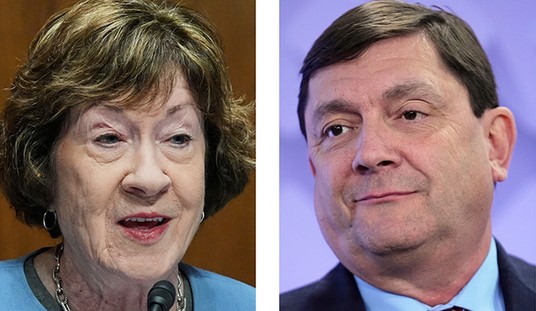
By the time Congress reconvenes in January to wrestle with the two competing versions, support for the bill will have dwindled to a perilous point. This reduced level of support will just serve to make senators and congressmen more intransigent in the negotiations. Since the bill will need 60 votes in the Senate after the conference report, Lieberman, Maine's Olympia Snowe and Susan Collins, and a handful of other moderates will each have a veto. And, collectively, the liberals in each chamber will have onem as well.
Weeks and months of wrangling will ensue. The result could be the defeat of the bill or its amendment in positive ways (for those opposed to it).
Our task is to reduce public support for the bill by publicizing its provisions, notably:
1. The $400 billion cut in Medicare.
2. The inevitable scarcity that will result from the addition of 35 million new patients with no new doctors or nurses.
3. The fine on the uninsured of 2.5 percent of their income if they don't buy insurance.
4. The high cost of these mandatory insurance policies ($15,000 per family).
5. The low level of subsidy available for the uninsured (only after they pay 8 percen to 12 percent of their incomes).
6. The likelihood of a $1,700 increase in the average family's premiums.
7. The possibility of up to five years in prison for failing to buy insurance or pay the fine.
8. The taxation of medical devices like pacemakers, wheelchairs, prosthetic limbs, hearing aids, etc.
9. The tax on sick people (increasing the threshold for deducting medical expenses from 7.5 percent to 10 percent of income.
10. The additional fiscal burden on the states of the increase in Medicaid eligibility.
11. The 40 percent tax on health insurance premiums that will effect households earning more than $75,000 by the fifth year of the plan.
We can still win this fight!

Join the Conversation
VIP members get the ability to comment on articles.