





Things will be different whenever the hell that is the coronavirus pandemic ends.
That may be overly cliche, but it is true. The pandemic will fundamentally change work, education, government and journalism in ways good and bad.
Arguably, the biggest change will be work.
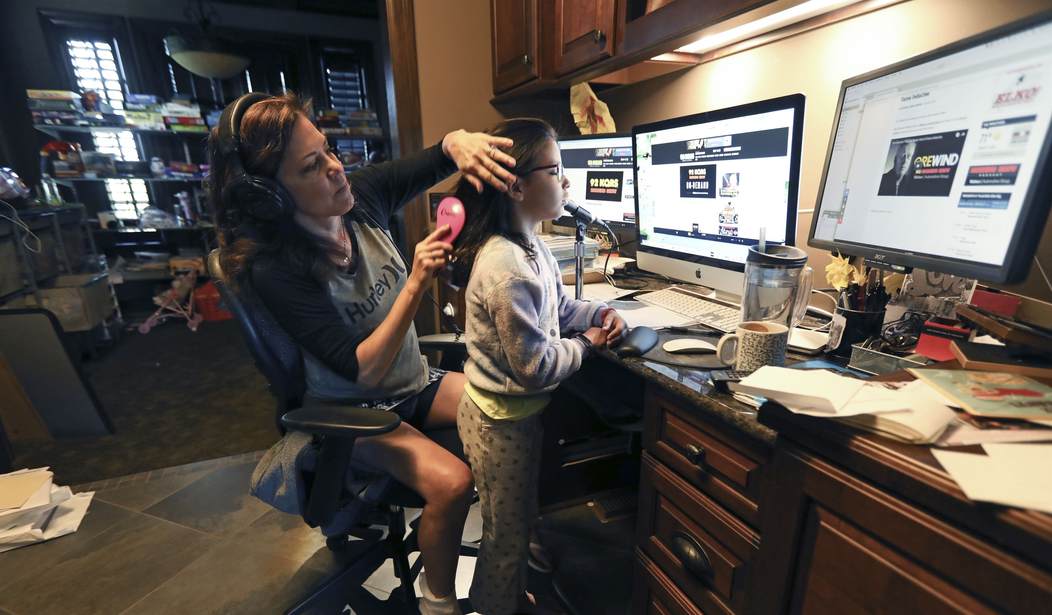
Many employers and employees have come to the realization that traditional workspaces are redundant. As we are seeing with the coronavirus, or COVID-19, it is possible for many to work remotely, at least for those still with jobs.
Remote work was already trending. Just think of the so-called gig economy. However, the pandemic has shown employers across multiple sectors that tremendous sums of money otherwise spent on the overhead of physical workspaces can be saved by shifting more employees to remote work.
Then there is business travel, though the hotel industry will surely offer generous incentives to stimulate meetings and events after months of cancellations. But many road warriors accustomed to crisscrossing the country by plane for meetings will be reduced to endless video conferencing, which will impact the way airlines recover from COVID-19.
Likewise, technology will transform education post-pandemic.
Some K-12 schools are fully online while others canceled the remainder of the school year as the logistical challenges and financial costs of shifting to remote instruction are insurmountable in rural or impoverished areas. At the same time, many colleges transitioned to virtual classrooms literally overnight.
Political leaders at the state and federal levels would be wise to pressure institutions into not returning to the old model of higher education, which is both broken and simply unaffordable. Remote classes could and should cut the expense of a college education.
The same technology that enables remote work and education is also transforming the way in which government conducts business for the people.
Townships, school boards, city councils and county commissioners are holding virtual meetings purportedly to flatten the curve. Yet, this is really quite bad for representative government as it poses a direct threat to transparency, accountability and public access.
The reason why federal and state constitutions stipulate a central capital as the seat of government is simple: It prevents, in the words of the Declaration of Independence, the calling of “legislative bodies at places unusual, uncomfortable, and distant.”
Thus, it is troubling when Michigan Gov. Gretchen Whitmer, Washington Gov. Jay Inslee, Texas Gov. Greg Abbott and others use questionable authority to suspend open-meetings or access-to-records laws by decree. These actions create a precedent that will surely be abused in the future by government, which all too often is loathe to transparency in the first place.
The coronavirus could also be the death knell for print journalism, notwithstanding #newspapersstillmatter on Twitter.
To be fair, the obituary for newspapers has been written before and yet print is still here. But the economic collapse caused by the country’s ongoing shutdown has killed off what remained of newspaper advertising.
Many voices in the chattering class welcome this as they believe the future rests not with commercial publishers, but rather nonprofit journalism. While there are examples of success, it is impossible to see how this model can replace local daily newspapers outside enclaves of gentry liberals.


Join the Conversation
VIP members get the ability to comment on articles.