





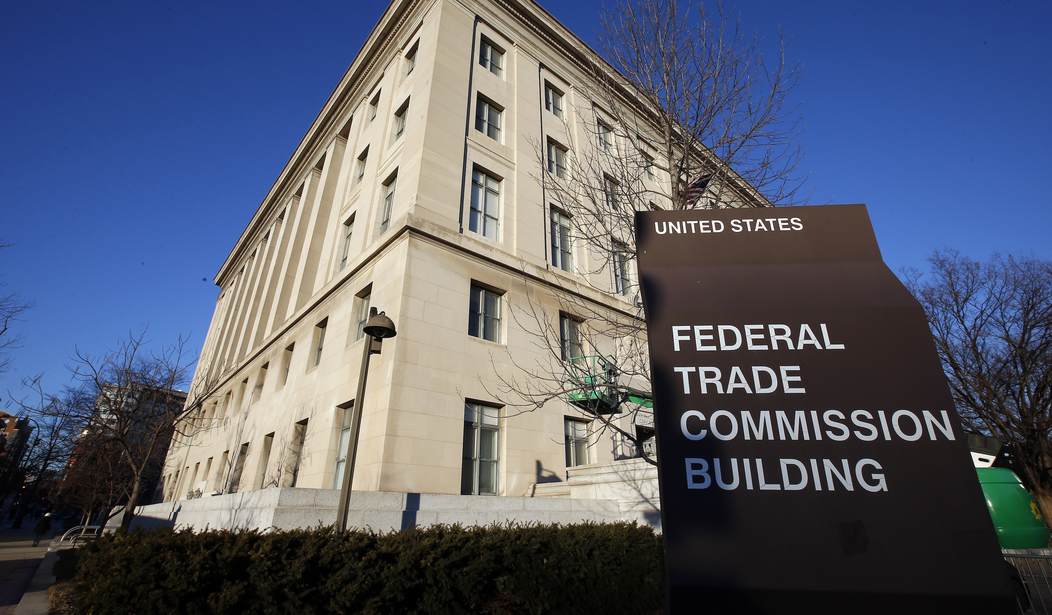
Amidst everything going on right now, including one of the largest fraud cases in history in the FTX scandal, the Federal Trade Commission (FTC) has decided to dedicate its time and energy to push the boundaries of US antitrust law, and thus its own power to micromanage the economy. The latest installment in this trend comes in the form of a complaint filed by the Commission to challenge the recent $68.7 billion acquisition of video game studio Activision Blizzard by Microsoft. This complaint reveals yet again that the FTC has lost sight of the ball of consumer protection in favor of its flawed theory of antitrust.
First, it is important to understand the mechanics of the FTC’s complaint. The FTC has not yet sued to officially block the deal, though that is certainly their end game. According to the Commission, it “issues an administrative complaint when it has 'reason to believe' the law has been or is being violated, and it appears to the Commission that a proceeding is in the public interest.”
This is just a first step in what will ultimately turn out to be a full-fledged attempt to block the merger. Because of the inefficient nature bureaucracies like the FTC, and the typical length this process takes once an administrative complaint is filed, the process may not conclude until mid-2024. Meanwhile, nothing is stopping the acquisition from going forward, but were the FTC to succeed at the end, Microsoft would have to undergo an expensive process to un-merge Activision Blizzard from its company.
Because of this, Microsoft may very well choose to wait before finalizing the deal. This is not accidental on the FTC’s part. Because of the drawn-out process, the FTC has essentially found a way to force Microsoft into a decision between delaying an innovative deal that will create value for their customers and potentially setting themselves up for a very costly process. In this way, the FTC is de facto stopping the acquisition before an administrative law judge has even determined that the Commission has standing to bring a suit.
Beyond this shameless bureaucratic obstruction, the FTC’s legal theory of the case is severely flawed. The Commission’s case rests on the premise that Microsoft – which controls Xbox – could withhold Activision’s content (which includes the Call of Duty franchise) from console competitors like Sony’s Playstation. Their theory is purely vertical, and they concede there is no risk of diminished competition between gaming titles themselves.
First, this argument overstates Activision’s importance in the gaming world. For sure, Activision is a major player and 10 of the top 15 selling console games from last decade were Call of Duty titles. However, in terms of revenue, Microsoft and Activision Blizzard are the fourth and sixth largest major game publishers respectively. The combined entity would be roughly even with Sony Interactive Entertainment, meaning it is no sure thing that Microsoft/Activision would even be the biggest player in the industry, let alone an anti-competitive monopolistic force. Some estimates put the combined firms at third, behind Sony and China’s Tencent.
Secondly, the FTC is overlooking the fact that Microsoft has already publicly promised competitors access to the Call of Duty series for at minimum the next ten years. They also told Sony that the game could continue to be offered on Sony’s subscription service, Playstation Plus. The company is making clear overtures to demonstrate that this is not a hostile move and is trying to show good will towards its competitors. These overtures seem lost on the FTC.
Beyond that, Microsoft is under no obligation to even make these offers in the first place. In almost no line of business is a company expected to allow its competitors to sell its products. This would be akin to demanding Starbucks allow Dunkin’ Donuts to make a profit selling its coffee and lattes. This has been clearly understood in the gaming industry and is the reason why Sony does not allow its popular God of War series to be played on Microsoft’s Xbox in any capacity. Platform-exclusive titles have been a hallmark of the industry for some time; Mario on Nintendo, Halo on Xbox, etc. There’s no novel practice being floated by FTC here.
Lastly, this merger – like so many others – offers companies like Microsoft the ability to offer innovative services for their customers. This deal is set to increase Microsoft’s presence in the mobile gaming industry, where it’s previously been virtually absent. Microsoft also wants to create a cloud gaming service, which allows customers to stream games on a number of different devices, rather than being confined to a console or mobile phone. To do that, they need a robust suite of content. The Activision acquisition allows them to do that and thus enhances competition in these relevant markets.
While the FTC may only see a big company getting bigger, gamers and industry experts can see the potential for innovation and greater competition. Rather than being an aberration, acquisitions like this represent the proper functioning of the market to advance the industry beyond its current capabilities. Competitors will likely respond in kind with innovations of their own. This is the beauty of the free market and the FTC needs to step back, let it happen, and get back to their core mission of protecting consumers from fraud, not innovation.
Dan Savickas it the Director of Policy at the Taxpayers Protection Alliance.



Join the Conversation
VIP members get the ability to comment on articles.