







It’s been nearly one year since the Dobbs decision reshaped the legal landscape of abortion in America. Dobbs was, in large part, the fruit of half a century of tireless pro-life work.
Dobbs is important. But it’s not the most important shift that’s occurred within the U.S. abortion industry. Online medical care is.
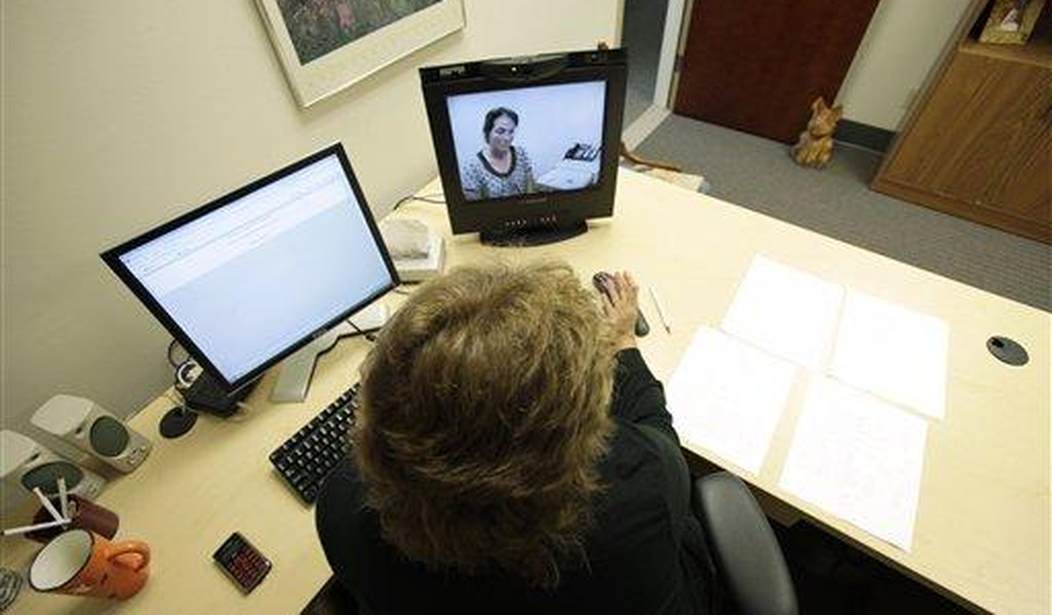
That might seem like hyperbole, until you consider the facts — and take a look at recent news. Women are using chemical abortions for over half of all abortions performed in the United States. After COVID-19, and even more after the fall of Roe, online or remote medical care has been an important means of distributing these abortion pills.
But when the dispensation of abortion pills is almost unregulated and medical prerequisites such as ultrasounds and physical evaluations are waived, horrific stories begin to surface. A Nebraska teen allegedly collaborated with her mother to use abortion pills to kill a six-month-old preborn child, before burning and burying its body. The cutoff for approved use of these pills is just 10 weeks, but mail-order pill services made it possible for them to procure an abortion.
This is, of course, a tragic story. But many women procure abortion pills long after the cutoff for their use and are utterly unaware of what their abortion means — or what their dead baby will look like at that point in their pregnancy.
In fact, some directors in our PreBorn! Network Clinics have asked our organization to help them fund counseling for their nurses, because they field cases like this. Women bring their aborted babies into these clinics wrapped in washcloths, desperate for help and consolation.
Nobody showed these mothers how far along their pregnancies were. Nobody told them what an abortion really meant. Someone just prescribed and mailed them the pills, and the staff of our pregnancy resource clinics have the tragic but indispensable role of helping them piece themselves back together.
But this is what abortion advocates want: Abortion on demand, to anyone, regardless of the human cost. And more specifically, they’ve been fighting for the federal protection of abortifacient distribution via telehealth for years now.
Virtual care spiked in use during the COVID-19 pandemic, and pro-abortionists made quick use of the opportunity to accelerate and reinforce online chemical abortion prescription services they’d been developing since 2017. At this point, only eight states have meaningful medical prerequisites for the dispensation of a chemical abortion, and some online abortion pill dispensaries don’t even ask for age verification.
But this is all fairly technical language. Let me clarify what this means in practical terms.
It means that these women are being deceived — or at least under-informed — about the progression of their pregnancy. They are being mailed the means to kill their preborn child and left, alone, to deliver its corpse in their bathroom.
This is not empowerment. This is not medical care. It’s abuse, deceit and death — and it must end.
The future of the fight for life isn’t just happening in state courtrooms and brick-and-mortar abortion clinics anymore. It’s happening online. It’s happening in bathrooms.
If we want to save preborn children and prevent the systemic abuse and manipulation of young women all across America, we must reach abortion-vulnerable mothers via virtual care. We must develop an accessible alternative to the pro-death contingent’s virtual apparatus.
PreBorn! has made this our daily work. We want to reach these women at home, when they are most in need. We want to offer support, insight and care that is every bit as easily discovered and used by digital natives as the abortion pill might be.
And we’ve succeeded, in many respects: We saved more than 54,000 lives in 2022 alone. We provided more than 90,000 ultrasound scans in that same year. And in the course of our work, we’ve been blessed to witness more than 65,000 commitments to Christ.
So if you are now, or ever were, part of the pro-life movement: Don’t give up. Don’t grow complacent. This is an hour of great need for America’s most vulnerable women and children. It is an hour of great responsibility for those called to protect them — but through Christ, we can do all things.
Dan Steiner serves as founder and president of PreBorn!, which serves the pregnancy clinic movement across America by placing ultrasound machines as well as providing executive and sonographer coaching, organizational development, marketing and fundraising.


Join the Conversation
VIP members get the ability to comment on articles.