





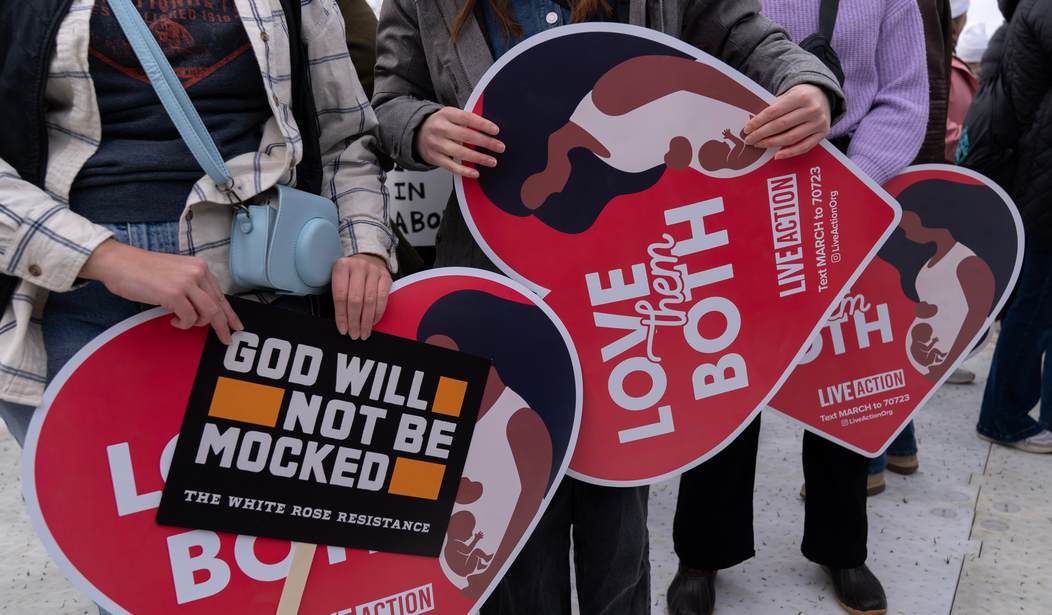
The FDA has been studying the abortion pill, mifepristone, and this week it had the opportunity to tell Americans what it has learned about the risks associated with the drug. Instead, it filed a five-page status report in federal court that effectively says, ask us again in March.
The agency says that it will wrap up its study by mid-December, with a report on its findings no later than the end of March 2027. Until then, it will pursue no new restrictions — and it is women and their children who will continue to pay the price.
“Sophia” (a pseudonym) purchased abortion pills online when she was 10 weeks pregnant. The abortion provider inaccurately assured her that the pills would be effective through 12 weeks. Sophia took the pills and endured a painful and difficult abortion. She bled heavily for three weeks, finally calling Planned Parenthood for help.
But Planned Parenthood refused to see her.
After contacting Human Coalition and finally being connected to medical professionals who would care for her, doctors discovered the abortion pill had killed her baby but failed to remove all the pregnancy tissue from her body. They found retained placental tissue, which can lead to a potentially life-threatening infection.
Think about that for a moment. A woman purchased abortion pills online, experienced weeks of heavy bleeding, and was left searching for someone willing to help her deal with the complications. The abortion industry that was so eager to sell “Sophia” the drugs under the guise of “empowerment” and “healthcare” abandoned her as soon as it had pocketed its fee.
This is what happens when abortion is treated like just another product that can be ordered online, rather than a serious drug with real risks and irreversible consequences.
And Sophia’s experience raises questions that the FDA should be answering, not postponing.
The FDA's own label for mifepristone acknowledges serious complications, and independent analyses of insurance claims data, including one from the Ethics and Public Policy Center (EPPC), suggest those complications happen exponentially more often than the label rate of under one percent. EPPC’s real-world data showed a “serious adverse event rate” that affects more than one in 10 women who take the drug, which is 22 percent higher than what’s reported on the FDA label. While supporters of mifepristone dispute those findings and the methodology behind them, that disagreement is precisely why a thorough, transparent FDA review is necessary.
But here's the problem: Nothing requires the FDA to wait until March to reconsider the safeguards it previously eliminated.
The safeguards could be back in place tomorrow. Instead, mail-order and telehealth abortion remain easier than ever to obtain, including unfettered shipments into states whose laws are written to protect the preborn.
And let us not forget that the institutions that profit from this system are no models of integrity – especially Planned Parenthood, the kingpin of the abortion industry. Public audits have identified millions in Medicaid overpayments to Planned Parenthood in Texas. The Small Business Administration (SBA) is reviewing more than $88 million in COVID-era PPP loans given to 38 Planned Parenthood affiliates over eligibility questions, even though Planned Parenthood Action Fund had publicly acknowledged the SBA could exclude them. And Planned Parenthood now faces a $1.8 billion False Claims Act suit brought by Texas and a whistleblower, alleging improper Medicaid billing after the state terminated its participation.
Hardworking American taxpayers should be asking: Why should we trust an industry with multiple allegations of abusing our tax dollars to curb its own distribution of abortion drugs when this is how it makes money?
The Trump administration has repeatedly emphasized its commitments to women's health, government accountability, and ensuring that the medications Americans take are safe.
Now the administration has an opportunity to put its commitments into practice.
The FDA should rescind its 2021 change allowing mail-order abortion, reinstate in-person dispensing immediately, and demonstrate the urgency of action that this dangerous drug demands. Regardless of what the FDA’s review finds, one thing is certain: The abortion pill kills an innocent child every time it is taken. It should not take a drawn-out maternal health review to pull it from the market.
Women in crisis cannot wait until March. Neither can their children.
Clare Ath is the senior policy analyst at Human Coalition, one of the largest pro-life organizations in the nation, which operates a network of telecare and brick-and-mortar women’s care clinics across the country.
Editor’s Note: Do you enjoy Townhall’s conservative reporting that takes on the radical Left and woke media? Support our work so that we can continue to bring you the truth.
Join Townhall VIP and use promo code FIGHT to receive 60% off your membership.

Join the Conversation
VIP members get the ability to comment on articles.