





A Ranked Intelligence Brief — Not a Headlines Recap
Instead of walking through what cable news said mattered, this column ranks what voters spent their attention on: measured by volume, repetition, emotional intensity, and cross-platform persistence.
This isn’t a prediction or argument. It’s a look at where attention went last week, and what that tells us about voter psychology in 2026.
If this format is useful, tell me. If not, we’ll adjust. The goal is clarity, not novelty; so I read, appreciate, and try to reply to your comments.
The Week in Power: Who Gained Ground
Before getting into the stories themselves, it’s worth starting where most operatives instinctively look first: who benefited the most from last week’s attention.
To be clear: this is not about approval ratings, fav/unfav, or media tone. It’s about attention gravity: who emerged stronger because events aligned with their narrative.
Winners
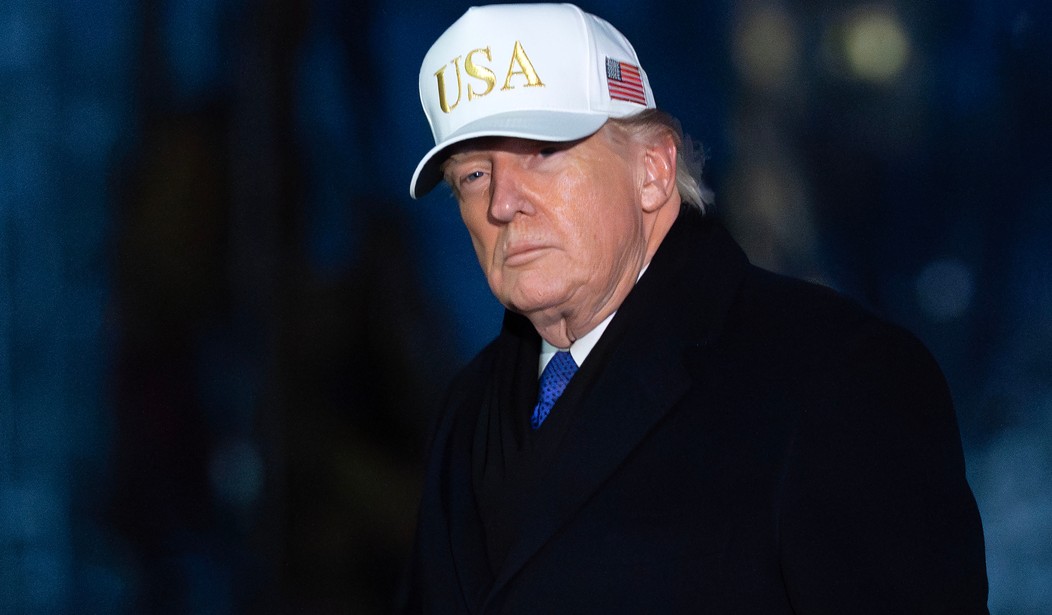
1. Donald Trump (Structurally, Not Comfortably)
Trump did not “win” the week in the sense of universal praise (will he ever?), but he remained the central actor across every major storyline.
- Immigration enforcement reinforced his core authority narrative.
- Venezuela reinforced decisiveness and leverage.
- Even the Epstein files debate, while hostile in tone, kept him at the center of institutional distrust rather than isolated from it.
Crucially, the data shows no collapse of alignment among his voters. Scrutiny increased. Defection did not. That distinction matters heading into 2026.
2. Greg Abbott
Abbott’s move to freeze H-1B petitions at Texas public institutions landed cleanly with the base.
- It aligned economic anxiety with sovereignty
- It avoided humanitarian framing traps
- It created contrast without spectacle
In a week dominated by chaos elsewhere, Abbott looked controlled and deliberate, which reads as competence to donors and activists alike.
3. Border Enforcement Hardliners (As a Bloc)
Despite backlash over Minneapolis, the idea of enforcement did not lose ground.
What suffered was execution, not authority. Calls for stronger borders, deportations of criminals, and federal primacy remained dominant in conservative-aligned conversation.
That matters: when enforcement survives a controversy, it usually comes back sharper.
What Mattered Last Week (Ranked by Attention)
1. The Epstein Files Release, and the Fight Over What Was Withheld
This was the dominant story of the week, by a wide margin.
Not because of any single allegation — but because of institutional distrust. The anger wasn’t just about names. It was about redactions, delays, deletions, and the sense that the system still decides who gets protected.
What drove attention:
- Repeated references to “millions of pages” still unreleased
- Immediate backlash when files were posted, altered, or pulled
- A belief that accountability is selectively applied
This story didn’t persuade anyone. It reinforced a worldview: powerful people don’t face consequences, and the public only gets partial truth. That belief now cuts across factions.
This is not going away quickly. It has staying power because it feeds suspicion rather than outrage alone.
2. Federal Immigration Enforcement After the Minneapolis Shooting
The Minneapolis incident — the killing of a U.S. citizen during an ICE / Border Patrol operation — generated the sharpest sentiment swing of the week.
What mattered here wasn’t enforcement itself, but use of force, command decisions, and optics.
Attention clustered around:
- Armed federal agents operating in a residential protest
- Conflicting signals from Washington (de-escalation language paired with enforcement escalation)
- The deployment of senior officials as a visible reset
Among conservatives, support for enforcement remained high — but scrutiny of execution increased. Among opponents, this became evidence of systemic abuse. The story crowded out economic and foreign-policy coverage almost entirely for several days.
This was not background noise. It reshaped the week.
3. Venezuela: Maduro’s Capture and the Aftermath
This story spiked fast, then settled into a sustained second tier.
Initial attention was driven by spectacle, the arrest of Nicolás Maduro, and the shock of U.S. action. But what kept it alive was what followed:
- Reopening Venezuelan airspace
- Easing oil sanctions
- Questions about sovereignty, leverage, and long-term control
Supporters framed it as decisive strength. Critics framed it as overreach. But across camps, attention shifted quickly from the raid itself to energy, oil, and geopolitical leverage.
This story mattered less emotionally than immigration or Epstein, but more than most foreign policy usually does.
4. Israel, Gaza, and Iran; Sustained, but No Longer Spiking
Israel remained a constant presence in the data, but with an important shift.
Rather than sharp spikes, this week showed fatigue and hardening:
- Recognition of Hamas causing civilian suffering in Gaza
- Appreciation for Netanyahu’s posture toward Iran
- U.S. involvement and military signaling
Attention persisted, but intensity plateaued. This has become a background moral frame, not a breaking-news driver. This matters strategically: it’s a slow burn, not a flashpoint, and Democrat hardliners are finding themselves on the wrong side.
5. Legal Immigration and the H-1B Backlash
This story didn’t dominate headlines, but it kept resurfacing.
Texas’ freeze on H-1B petitions at state agencies triggered a broader conversation about:
- Job displacement
- Wage suppression
- Abuse of legal pathways
What’s notable is how tightly this conversation is now linked to economic anxiety. The tone is transactional: who benefits, who loses, who pays.
This functioned as reinforcement, building toward something durable.
The Pattern Beneath the Rankings
Three important things stand out.
First, accountability stories beat policy stories. Epstein, enforcement, and executive power crowded out inflation, markets, and even war talk.
Second, voters are distinguishing authority from execution. Support for enforcement and strength remains, but tolerance for perceived incompetence, secrecy, or sloppiness is shrinking.
Third, attention is clustering around systems (not personalities). This week wasn’t about liking or hating any leaders. It was about whether institutions (DOJ, ICE, State of Texas) can still be trusted to act cleanly and competently.
That’s a different psychological environment than 2024.
The Strategic Implication
Attention moves before persuasion.
Sentiment moves before polling.
And narrative dominance compounds daily, not weekly or quarterly.
Campaigns that only react when polls shift are already late.
One Takeaway for 2026 and One Open Question
The takeaway: Voters are rewarding strength, but auditing power. They want enforcement and receipts.
The unresolved question: When accountability stories collide with enforcement stories, which one ultimately defines trust?
Next week’s data will tell us whether last week was a spike or the start of a longer recalibration.
And that’s what we’ll be watching.
Editor’s Note: Do you enjoy Townhall’s conservative reporting and opinion? Support our work by joining Townhall VIP! Use the promo code FIGHT to get 60% off your VIP membership!

Join the Conversation
VIP members get the ability to comment on articles.