





This is the first in a weekly Monday morning column I’ll be writing for Townhall, using real-time sentiment data from EyesOver to explain what captured the public’s attention in the past seven days, and why it matters.
For years, political analysis has relied on lagging indicators: polls fielded last week, pundits locked into the worldview of last month.
But online sentiment, measured in real time and at national scale, often tells a different story. Sometimes it confirms what we expect. More often, it reveals what voters are worried about long before campaigns or commentators catch on.
This week, EyesOver reported three clear spikes: immigration and border security, foreign policy and Venezuela, and the Israeli–Gaza conflict. Each generated intense and sometimes volatile reactions, and together they paint a picture of a country uneasy about security, leadership, and sovereignty.
1. The Border Security Spike: A Breaking Point in Public Patience
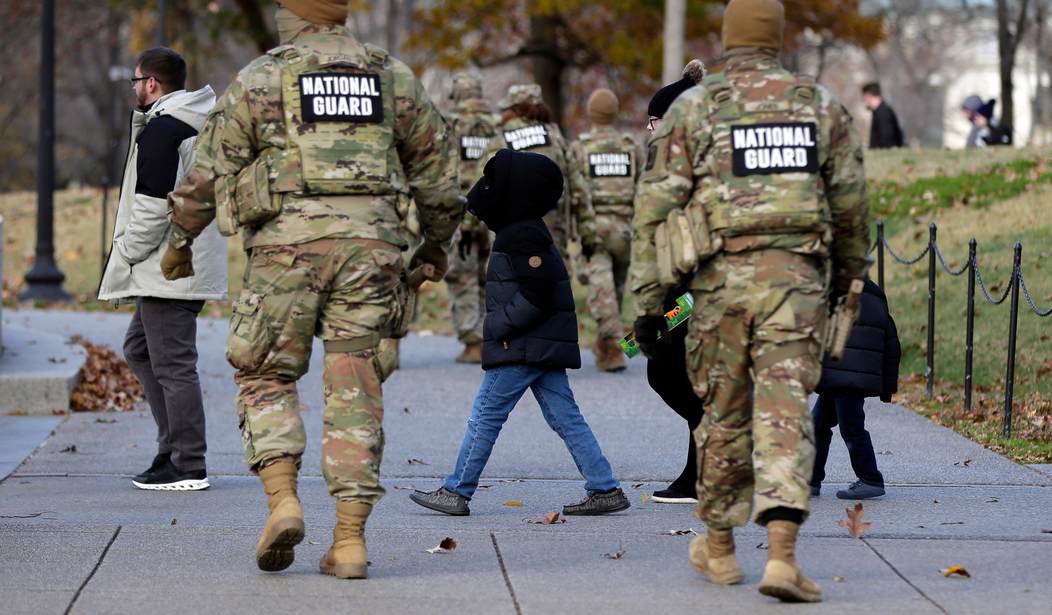
The sharpest surge centered on immigration, driven by the shooting of two National Guard members near the White House by an Afghan national who received asylum earlier this year. Public reaction was immediate and fierce.
EyesOver detected a rapid rise in negative language around asylum policy, vetting, and even the H-1B visa program, with thousands of posts connecting the shooting to broader frustrations about jobs and security.
What conventional wisdom missed is why the story resonated so deeply.
To most people, it wasn’t just another border incident. It tapped into a growing belief that the government has lost control of who enters, who works, and who remains in the country.
Even after reports clarified that the asylum approval occurred under the current administration, the anger didn’t fade. It widened. The focus shifted from the specifics of the case to a systemic critique of competence and trust.
Political science scholar John Zaller famously argued that opinion hardens based on elite cues rather than isolated facts. Last week’s cues were nearly all negative, and the electorate reacted accordingly.
2. The Venezuela Shock: Foreign Policy Suddenly Gets Personal
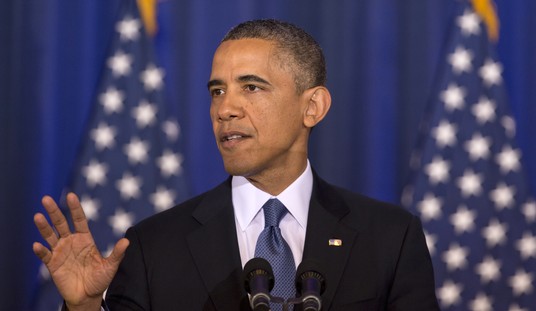
The second major spike was unexpected. Tensions between the United States and Venezuela escalated rapidly after the president declared Venezuelan airspace “closed in its entirety” and hinted that ground operations could begin soon.
Public sentiment swung wildly, from disbelief to mockery to genuine fear of war.
Two trends stood out:
- Escalation rhetoric sparked immediate emotional spikes, even among people who don’t normally track foreign policy.
- Skepticism of the administration’s motives rose sharply, with many questioning whether the narcoterrorism justification was substantive or politically useful.
Online conversations moved faster than major outlets did. Some demanded forceful action to “crush” the Maduro regime. Others warned the move was unconstitutional and carried the risk of a Vietnam-style quagmire.
What stood out was how quickly voters personalized the issue. Within hours, posts shifted to questions about draft risk, fuel prices, and the safety of deployed family members.
This is exactly the kind of inflection point real-time data captures—a story that pundits initially treated as background noise, but that voters interpreted as a direct threat to their own lives.
3. The Israel–Gaza Mood Shift: From Outrage to Fatalism
The third major spike centered on Israel, Gaza, and Prime Minister Netanyahu’s request for a presidential pardon in the midst of multiple corruption cases.
Public reaction was overwhelmingly negative. Many saw the request as an effort to sidestep accountability while leading a military campaign with humanitarian costs.
What changed this week was not the anger but the tone. EyesOver detected a shift from sharp outrage to something closer to resignation. It reflected a belief that accountability, either domestic or international, is unlikely. That shift from flashpoint to fatigue is almost invisible in traditional polling but obvious in real-time sentiment.
Political science helps explain this as well. As Iyengar and Kinder showed, foreign policy rarely drives sustained opinion unless it becomes a lens for judging leadership. That is exactly what happened last week. Directional, not fatal, but worth tracking.
4. The Thread That Connects All Three
If there is one theme running through this week’s conversation, it is the erosion of trust—in vetting systems, in foreign policy judgment, and in legal institutions.
Across immigration, Venezuela, and Israel, three patterns stood out:
A. A growing impatience for competence over ideology.
People want systems that work. Whether the issue was asylum screening, diplomatic brinkmanship, or military decision-making, voters expressed frustration with leaders who appear improvisational, reactive, or self-interested.
B. A demand for clarity in an information-saturated environment.
When official explanations fall short, people fill the vacuum with speculation. That isn’t a failure of voters. It is a failure of communication and credibility.
C. A deeper skepticism toward political and institutional elites.
This week’s sentiment wasn’t simply partisan. The Left blamed corporate visa abuse. The Right blamed asylum failures. Both blamed the political class for mismanaging foreign crises.
Why This Matters
Every week, EyesOver processes millions of data points to detect where sentiment is moving—not where it was last month, but where it is right now.
This past week’s data shows an electorate that is more reactive to security threats, more sensitive to sudden policy shifts, and less trusting of political explanations than at any point in recent years.
Those looking toward 2026 should pay attention to these three areas. Immigration, foreign conflicts, and leadership accountability are no longer background noise. They are becoming the center of America’s political psychology.
This column will track these shifts each Monday morning. If the past week is any indication, the signal is getting louder.
Editor’s Note: We voted for mass deportations. Help us continue to fight back against those who are trying to go against the will of the American people.
Join Townhall VIP today and use promo code FIGHT to get 60% off your VIP membership.

Join the Conversation
VIP members get the ability to comment on articles.