






If you followed the pundits, this week’s elections in Virginia and New Jersey were supposed to be “too close to call.” Pollsters called them toss-ups. National forecasters hedged their bets.
Then the votes came in, and it wasn’t close at all.
Democrats Abigail Spanberger and Mikie Sherrill both won their governor’s races by comfortable margins. In New York City, Zohran Mamdani’s insurgent mayoral bid beat the political establishment, shocking every consultant still reading voter crosstabs like it’s 2012.
But none of it was a surprise to us. At EyesOver, we tracked the emotions driving these campaigns in real time—and those emotions told the truth long before the polls did.
The Emotional Pulse Beat the Polls
Traditional polling asks what voters say they’ll do. EyesOver measures what voters feel in the moment.
Our AI platform curates millions of real conversations each day, across social media, digital news, forums, and influencer networks, to quantify the intensity, direction, and emotional tone of public sentiment.
The idea is simple: behavior follows emotion.
When anger turns to hope, or fear gives way to trust, votes move. And in each of these elections, we saw those emotional flips before they showed up anywhere else.
- In Virginia, anger over the government shutdown subsided in late October as trust and relief rose sharply among independents.
- EyesOver showed Spanberger climbing to 56% support; a margin nearly identical to her final 57–43 victory.
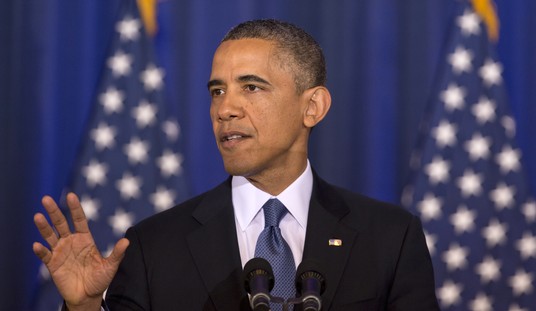
- In New Jersey, ethics-scandal fatigue gave way to renewed optimism the moment Barack Obama campaigned with Mikie Sherrill.
- “Hope” mentions spiked 12 points overnight, “anger” fell by a third, and Sherrill’s support jumped to 57%, matching her eventual result.
- In New York City, anger at machine politics fused with idealism as younger voters rallied around the “No Kings” movement.
- That emotional defiance, not a polling memo, predicted Zohran Mamdani’s rise to the top of a crowded field.
Across all three contests, EyesOver’s final support scores were within two points of the certified results. Every winner, correctly identified; not by asking voters, but by listening to them.
Polling Isn’t Broken. It’s Blind.
Polling still matters. It’s the scoreboard, who people say they’ll vote for if the election were today.
But EyesOver measures the momentum on the field, what’s actually driving that choice beneath the surface. By the time a pollster calls it, the moment has already passed.
That’s why so many surveys misfired again this week: they captured snapshots of opinion, not the energy of emotion.
Voters don’t pivot because of a new talking point; they pivot when a message changes how they feel about leadership, fairness, the economy or safety. Emotion moves first; the ballot box just records the aftershocks.
The Lessons Hidden in the Mood
- Trust Beats Fury: Spanberger’s calm, bipartisan tone outperformed louder populism.
- Hope Beats Scandal: Sherrill’s late-campaign optimism erased weeks of ethics-driven anger.
- Authenticity Beats Institutions: Mamdani’s movement won by channeling frustration into purpose.
- Each race proved that emotion, not ideology, determined turnout and swing. And each winner aligned with the positive emotional arc of the electorate’s closing days.
The Next Frontier: The Mood of 2026
If emotion predicted 2025’s results, it’s already forecasting the next cycle. Early EyesOver tracking shows lingering anxiety about inflation and distrust of national elites, but rising hope tied to community-based leadership and affordability. Those emotions will define the battlegrounds ahead.
For GOP strategists, that means the old question “What do voters think?” isn’t enough.
The new question is “What do voters feel, and when does that feeling turn?”
Editor’s Note: Rather than put the American people first, Chuck Schumer and the radical Democrats forced a government shutdown for healthcare for illegals. They own this.
Help us continue to report the truth about the Schumer Shutdown. Use promo code POTUS47 to get 74% off your VIP membership.

Join the Conversation
VIP members get the ability to comment on articles.