







Now more than ever, Americans are concerned with the integrity of elections. In response to this concern, states across the country are working to modernize their election laws to cope with the ever-changing nature of elections due to technological advancement, growing populations, and other factors. States that have passed new election laws have all been hit with a barrage of lawsuits, but so far have generally prevailed in court managing to keep their reforms because they are reasonable, fair, and constitutional.
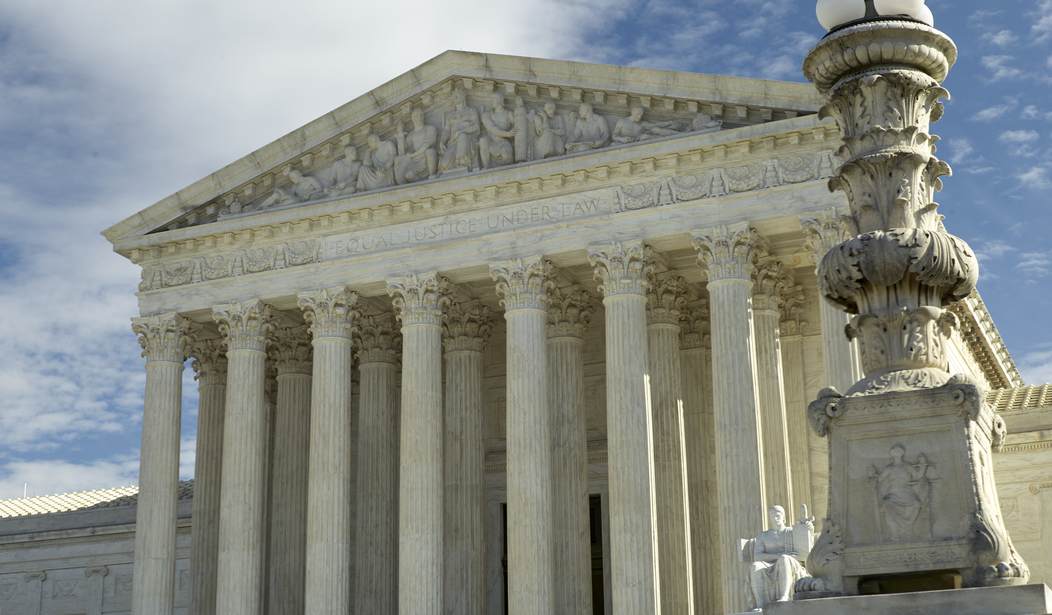
Yesterday was no exception. In a 6-3 decision the U.S. Supreme Court in DNC v. Brnovich upheld two Arizona election integrity laws, and in the process, established important precedent that will have powerful and lasting implications across the country. This includes a host of useful arguments that will no doubt be employed by the State of Georgia as it faces the unprecedented and troubling challenge from Biden’s newly expanded and re-staffed Department of Justice (DOJ) Civil Rights Division.
A quick review of Section 2 of the Voting Rights Act (VRA) and the Brnovich case’s ruling would prove useful for those with a close eye on Georgia and the other Republican states that should expect to be targeted next.
The VRA was originally passed back in 1965. At the time of its creation, its purpose was to ensure that the 15thAmendment, passed 95 years earlier, was actually enforced across the country. Section 2 of the VRA ensured voting laws did not discriminate against voters based on their race, color, and eventually, their membership in a language minority group. An important and necessary undertaking during a time of highly discriminatory laws.
Fortunately, our country has changed a lot since then, demonstrated by the robust elections of minorities in local, state, and federal levels of government, supported by record levels of voter turnout regardless of race.
In 2016, Arizona passed two laws to strengthen election integrity and promote voter confidence. The first law enabled election officials to reject ballots cast by voters out-of-precinct. This reform helps ensure voters cast their votes in the proper local elections. The second law prevents third-party collection of ballots, otherwise known as “ballot harvesting,” and establishes criminal penalties for engaging in this practice.
Members of the Democratic National Committee (“DNC”) claimed that these laws violated Section 2 of the VRA and the 15thAmendment. DNC advocates also accused Arizona of having a history of discrimination against minorities, in an attempt to bolster their claim under the VRA. The United States Court of Appeals for the Ninth Circuit agreed with the DNC, reversing the lower court’s ruling.
With today’s decision, the United States Supreme Court has sided with Arizona, reversing the Ninth Circuit’s incorrect ruling. Writing for the majority, Justice Samuel Alito noted that having to identify one’s own polling place and travel there does not exceed the usual and allowable burdens of voting.
Furthermore, the DNC failed to provide a single concrete example of an individual who merely claimed that banning ballot harvesting would impact their right to vote, nowhere near the requirement of Section 2 that there be an actual meaningful disparate impact on minorities.
Clearly, Arizona’s reforms protect the vote of every American regardless of their race, color, or membership in language minority group by striving to eliminate the risk of bad actors tampering with the ballots of those who do not have the resources or ability to return them on their own.
The DOJ Civil Rights Division should take notice of this clear signal by the Supreme Court: states have the authority to implement common-sense voting reforms and that’s not going to change anytime soon.


Join the Conversation
VIP members get the ability to comment on articles.