







Last week’s midterms shook up Washington, but two things haven’t changed: families want care they can afford, and hospitals are still dodging accountability for delivering it.
Senate Republican Leader John Thune (R-SD) pointed to “persistent affordability issues” as one reason his party lost seats. I have good news. The Trump administration has two years remaining to bring costs down, and it already has a tool to do it.
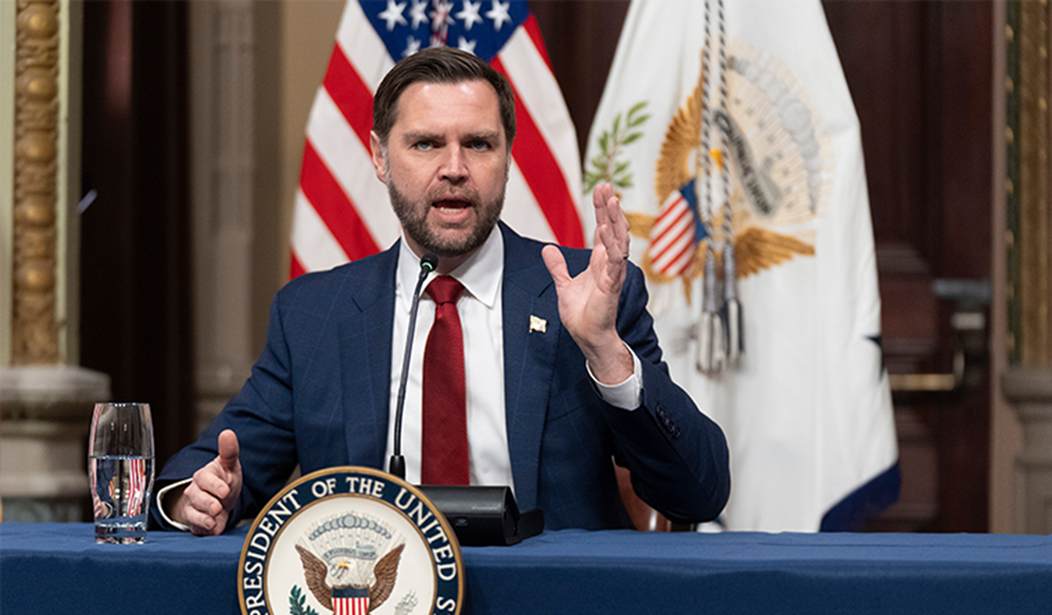
In March, President Trump signed an executive order creating the Task Force to Eliminate Fraud, chaired by Vice President JD Vance, to root out fraud and waste in federal benefit programs. The order says that kind of abuse contributes to inflation in essential goods and services.
The task force should add the 340B drug discount program to its target list. Congress created 340B in 1992 to help hospitals and clinics serving vulnerable communities buy outpatient medicines at steep discounts. Hospitals have no obligation to pass those savings on to patients or to fully report how they use the money. A hospital can buy a drug at the discounted price and keep whatever it collects above that.
Research on North Carolina’s State Health Plan shows how large that gap can get. The study found that 340B hospitals billed for cancer drugs at 5.4 times what they paid for them. For the melanoma drug pembrolizumab (Keytruda), the average claim was $21,512 for a drug the hospital bought for about $7,985.
Hospitals say they need that revenue to care for vulnerable communities. Their charity care spending makes that harder to accept. An Avalere analysis found that 69 percent of 340B hospitals spent less on charity care than the national average for acute care hospitals.
Our own polling shows how hard the cost of care is hitting people. In American Resolve Action’s polling of 600 likely general election voters in each of Texas, Missouri, and Ohio, majorities said hospitals are doing a poor job of keeping care affordable: 70 percent in Texas, 64 percent in Missouri, and 63 percent in Ohio.
More than half of respondents in every state reported an unexpected or higher-than-expected medical bill. Those bills were part of what voters had in mind when they went to the polls this month.
The administration already began building accountability into 340B. HHS plans to launch a revised rebate pilot on January 1. Hospitals would buy selected medicines at the regular price and submit claim data, including the date, drug code, quantity, and payer, to receive a rebate. Manufacturers would have to pay within 10 days and cover the software costs. The claim data would help catch duplicate discounts on drugs that also carry Medicaid rebates.
Surprising no one, the hospital lobby wants to stop it. On October 9, the American Hospital Association, the Maine Hospital Association, and four member hospitals sued HHS to block the pilot, their second suit over the program. They argue the paperwork would be costly and that paying full price up front would strain hospital budgets. HHS estimated annual administrative costs at $537 million, and the plaintiffs say the figure could top $1 billion. Keeping records is a routine cost of doing business, and a fight over compliance costs gives the government no reason to drop verification.
The four hospitals in the lawsuit are small rural facilities. The AHA also represents large health systems with far more 340B revenue at stake, and those systems should not get to hide behind the finances of smaller hospitals.
The task force was built for this kind of work. Its mandate covers pre-payment controls and documentation requirements, which describes the rebate pilot almost exactly. The vice president and his team should back the pilot as it moves through the courts and open a review of whether Medicaid is paying twice for 340B drugs and how much of the program’s savings ever reaches patients.
Voters would welcome the scrutiny. In each state we surveyed, 93 percent supported requiring hospitals to disclose their prices. Support reached at least 91 percent among Republicans, Democrats, and independents in each state.
The midterms gave helpful information about what the American people are looking for. Putting the task force on 340B would show the administration got the message, and a federal review would test whether the program serves the patients it was created for.
Chase Martin is chief executive officer of the American Resolve Institute.
Editor's Note: Do you enjoy Townhall's conservative reporting exposing the radical left and woke media? Support our work so we can keep bringing you the truth.
Join Townhall VIP and use promo code FIGHT to receive 60% off your membership.


Join the Conversation
VIP members get the ability to comment on articles.