





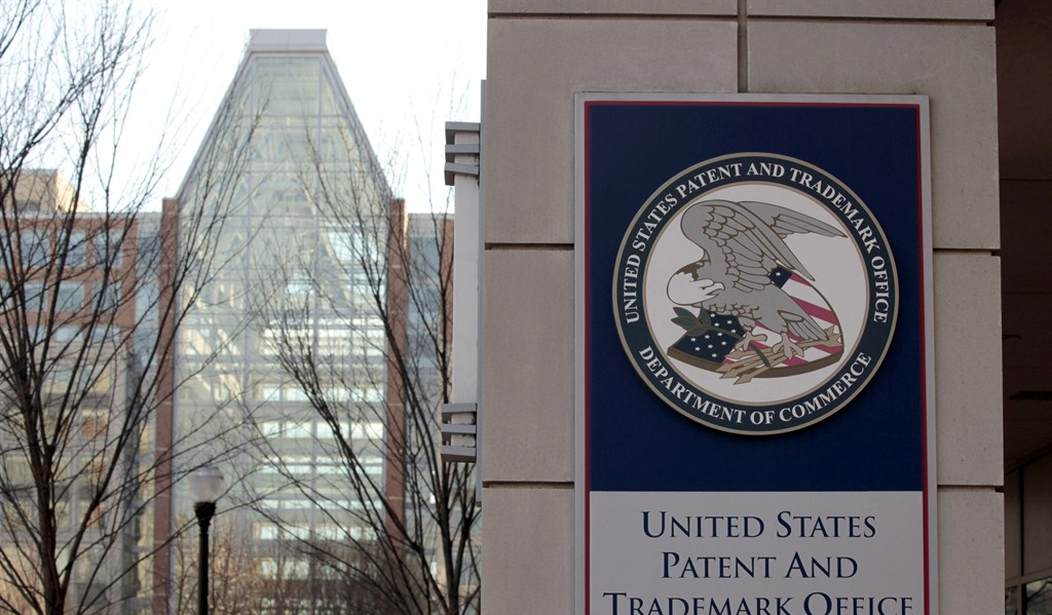
Various government services are funded through taxes, others are funded by fees. The idea behind the fee is that government is providing a service to the individual, so the individual should pay for that service. An example of this is our patent system. Inventors pay a fee to the patent office, and in exchange for that fee the office researches the idea and if everything goes well approves the patent. Fee paid – service provided. However, politicians can’t help but see fees paid as a potential pot of gold to fund their dream projects, and they are currently trying to steal the fees that inventors pay.
Over the last several decades, despite some beneficial changes and quality leadership in recently, a patent from the United States Patent and Trademark Office (USPTO) can take years. Patent application times have gotten three times longer than in the '70s, the office’s IT system has gotten more and more outdated, and instead of Congress addressing these issues – they are now proposing a new inventor tax that won’t do anything except exacerbate these problems and further make the service provided – for a fee - worse.
We all know that the government isn’t good at running businesses, that is why the government should be as small as possible, but taking away resources from a flailing department seems like the type of poor decision that most politicians – even the most obtuse ones - should understand.
However, as the House Appropriations Subcommittee responsible for funding the USPTO recently reminded us, we can never underestimate the obtuseness of our elected officials. The policy language that the subcommittee is currently considering includes language that allows for fee diversion away from the USPTO – in effect creating a tax on inventors.
In the past, as with most fee-based programs, the USPTO is appropriated the amount of fees that they collect, but the language in the current bill only appropriates the fees spent. That means that not only are fees taken away – like taxes – but that the USPTO has an incentive in future years to spend excess funds not on long-term big change projects, but on short-run ad-hoc projects that aren’t likely to build the USPTO and restore it back to the organization that our country has depended on as the backbone of our innovative economy.
The incentives that exist inside of government agencies are already backward and often run counter to the mission of the agency, but when a financial incentive is added to the mix the incentives created can quickly create a boondoggle of unneeded and unnecessary programs while the building and infrastructure of the agency crumbles around them.
Fortunately, almost everyone in power opposes this change. From members of the patent community to market players that have historically stood for weaker patent rights, like big tech companies that are more patent users than creators, the industry movers and shakers down to the garage inventors oppose this change. And, some top politicians, even some like Sen. Leahy, who aren’t exactly considered supporters of America’s innovators, have taken strong stands on the issue of fee diversion. “As a senior member of the Senate Appropriations Committee, I will remain vigilant to ensure that language authorizing USPTO access to all of the fees it collects remains in each year’s appropriations bill," Chairman Leahy said when the American Innovation Act was passing.
While there will be plenty of places to stop this legislative language before passage, the easiest thing would be for Subcommittee Chairman Cartwright to just pull the language before the train leaves the station. This would put innovation in a better place today, support our innovation system into the future, and make it clear that a fee is a fee and that fees be used as a form of taxation.
There are more reasons that can be listed why government spending for almost everything under the sun should be questioned. For both philosophical and specific issues like waste and abuse or even sometimes other policies included as legislatives sidecars. But, the patent system is one government agency that almost everyone supports not just letting them keep their fees – but might even support additional funding if that led to a more efficient agency.
Charles Sauer (@CharlesSauer) is an author and a contributor to many publications. He is the president of the Market Institute and previously worked on Capitol Hill, for a governor, and for an academic think tank.



Join the Conversation
VIP members get the ability to comment on articles.