




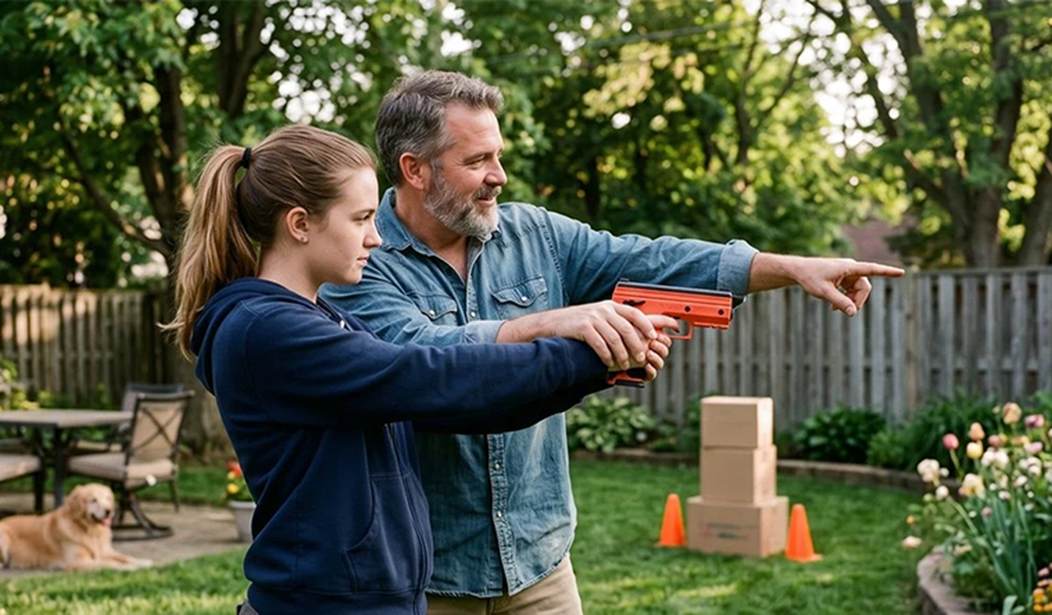
It's easy to think about protection as a single thing. You either have a way to defend yourself, or you don't. But real life isn't nearly that simple, and neither are the situations where someone might need a little extra peace of mind.
A college student walking across campus after dark has different concerns than a homeowner answering an unexpected knock at the door. A woman jogging through her neighborhood might want something entirely different from an older couple concerned about their safety while traveling. And someone who wants to draw attention to a potentially dangerous situation may have very different needs from someone who is already facing an immediate physical threat.
That's one reason why Byrna takes a broader approach to personal protection. Instead of assuming that one solution will work for everyone in every circumstance, the company recognizes that different situations call for different responses.
Not every uncomfortable encounter is an immediate threat, but that doesn't mean it should be ignored. Maybe you're walking to your car and notice someone following you. Perhaps you're in a parking garage, and something just doesn't feel right.
In those situations, attracting attention can be an important first step toward safety. Making your presence known, alerting others that you may need assistance, or drawing attention to suspicious behavior can help discourage someone who might otherwise take advantage of an isolated situation.
Byrna recognizes that personal protection isn't always about confronting a threat. Sometimes it's about making sure you're not facing that threat alone.
Unfortunately, not every dangerous encounter comes with plenty of warning. Someone may approach aggressively, invade your personal space, or suddenly become threatening. At close range, there may be little time to consider your options. That's why having an accessible means of personal protection can matter.
For people who aren't comfortable carrying a firearm, or who simply want another option, Byrna's approach to less-lethal defense offers a different way to think about personal safety. Less-lethal doesn't mean harmless, and no defensive tool can guarantee a particular outcome. But having options can make a meaningful difference when someone is forced to respond to a threatening encounter.
One of the most valuable things you can do during a dangerous confrontation is put space between yourself and the person threatening you. That might mean moving toward an exit, retreating to a safer location if possible, or giving yourself an opportunity to escape and call for help. Byrna's range of protective solutions reflects the reality that creating distance can be just as important as defending yourself at close quarters.
The goal isn't to win a confrontation. It's to survive it, and having a defensive option that fits that objective may appeal to people who want to protect themselves without relying exclusively on lethal force.
We shouldn’t overlook passive protection either. It may be the least dramatic part of personal safety, but that doesn’t mean it’s any less important. Not every form of protection requires someone to actively respond to an attacker. Some protective measures are designed to reduce vulnerability, provide an additional layer of security, or offer reassurance before an emergency ever occurs.
Personal safety isn't just about what happens during the worst moments of our lives. It's also about the choices we make beforehand to prepare for circumstances we hope we're never confronted with in real-time. That's really the point behind Byrna's approach.
Drawing attention, defending yourself at close range, creating distance, and adding passive protection are four distinct needs. They might overlap, but they aren't interchangeable. By offering different kinds of protection for different moments, Byrna gives people an opportunity to consider what makes sense for their own circumstances, comfort levels, and concerns.
My advice? Think about the situations that you're most likely to encounter, the people you want to protect, and what kind of response would actually be useful. Use that as your guide in picking the protection that fits the person, the circumstances, and the moment when it matters most.

Join the Conversation
VIP members get the ability to comment on articles.