





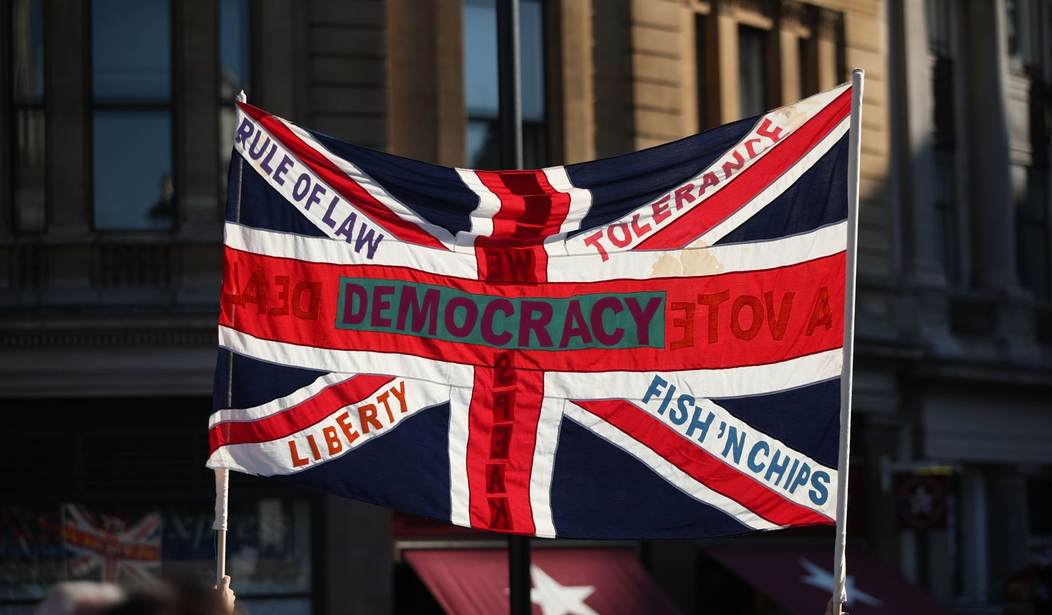
LONDON -- To Brexit, or not to Brexit, that is the question (apologies to Shakespeare). The answer to whether the UK will pull out of the European Union as a majority of voters favored in a 2016 referendum will be decided this month. Maybe.
Prime Minister Theresa May told Parliament that debate on the deal would resume on January 7. She has scheduled a vote for the following week. The vote had originally been set for December 11, but May pulled it, fearing the measure would be soundly defeated. She has been engaged since then in intense lobbying with parliamentarians who favor staying within the European Union. She has offered special posts to those who end their opposition. This tactic appears to have worked with several members of parliament who have flipped from "no" to "yes," prompting strong criticism from anti-Brexit members.
There is no guarantee May has the votes to proceed and some are speculating she may again call for a delay, further demonstrating a leadership weakness that was revealed last month when she barely survived a no-confidence vote.
London Times columnist Matthew Parris is a leading anti-Brexit voice. In a December 29 column, Parris claims voters were "misled" in the run-up to the 2016 vote. He favors another vote, believing the outcome would be different.
Liam Fox, the international trade secretary and a leading Brexit supporter, told the Sunday Times the chances of Britain leaving the EU are "50-50," if MPs reject the deal.
The issue is complicated because it involves money, power and the future of Northern Ireland. No one wants to see the restoration of a border between the North and the Republic of Ireland, which almost certainly would lead to the violence that mostly ended following the 1998 Good Friday Agreement, negotiated with the help of the Clinton administration.
There is a "backstop" strategy in case next week's vote goes against May. It would effectively keep the entire UK in the EU customs union for a limited period until another vote could be taken, which, the government hopes after perhaps more horse trading, would produce a positive outcome.
As with the U.S. government shutdown, passions are strong on both sides when it comes to Brexit. One side fears Britain will effectively be shut out of Europe should the break occur, while the other is fed-up with Brussels dictating policies that contribute to what they see as diminished British sovereignty.
May was saddled with an issue about which she was not fully, or even mainly, onboard. She has bravely (some critics say foolishly) pressed ahead anyway, saying that she is simply carrying out the wishes of a majority of voters.
History can be amusing. This is not the first referendum on Britain's relationship with Europe. That occurred in 1975 when the Conservative Party -- now favoring withdrawal -- enthusiastically supported Britain's continued membership in what was then called the European Economic Community (EEC). The party's new leader, Margaret Thatcher, called for a "massive Yes" to remain in the EEC and led a nationwide campaign in its favor. On the withdrawal side was the liberal Labour Party, which now wishes to remain. Several leading newspapers that now favor a divorce from Europe, then campaigned to keep Britain aligned with Europe.
Scheduled implementation of Brexit is set for March 29, but that presumes a yes vote in Parliament, assuming there are not more delays. The prime minister's call for a snap election last year caused a loss in her party's overall majority, necessitating negotiations with Parliament's various factions to produce a deal that can pass.
Bookies are not a reliable guide. In 2016, they claimed a 60 percent chance voters would reject Brexit. They lost. Today, as Liam Fox says, the odds are just 50-50. Place your bets and take your chances seems to be the attitude.


Join the Conversation
VIP members get the ability to comment on articles.