





It's time to ask some serious questions.
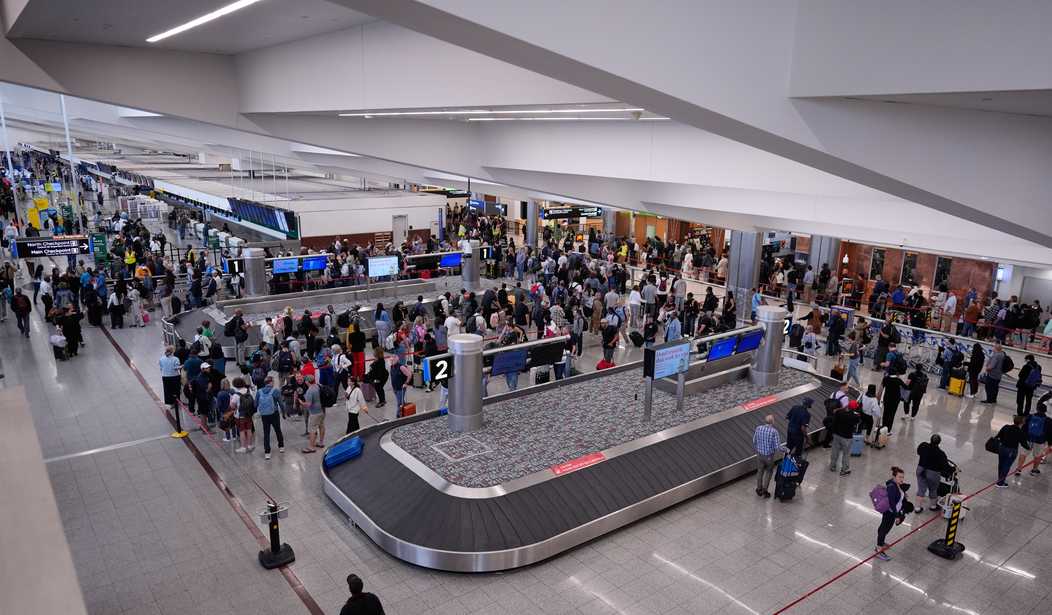
As spring travel ramps up, a record 171 million Americans are expected to take to the skies. Airports will be crowded, security lines long, and for many travelers, a fundamental question will linger: Are we safe?
That question extends far beyond the airport terminal. It surfaces at the southern border, in major American cities, and in the wake of tragedies like the killing of 18-year-old Sheridan Gorman in Chicago.
Gorman, a student at Loyola University, was shot and killed while walking with friends along a pier in Rogers Park. According to prosecutors, the group encountered a man hiding near a lighthouse. As they fled, he allegedly opened fire, striking Gorman in the back. Authorities say the suspect, a Venezuelan national, had previously entered the United States illegally and had prior contact with law enforcement before being released.
The case has reignited debate over immigration enforcement, sanctuary policies and public safety.
Critics argue that policies limiting cooperation between local law enforcement and federal immigration authorities can have serious consequences. Chicago's sanctuary status, they note, restricts such coordination. In this instance, the suspect had reportedly been arrested on suspicion of shoplifting months earlier but was not turned over to Immigration and Customs Enforcement.
Supporters of stricter enforcement contend that more consistent cooperation could prevent repeat offenses. They argue that when individuals who are in the country unlawfully are released after prior arrests, the system has failed to mitigate potential risks.
Others, however, caution against drawing broad conclusions from a single case. Some local officials have emphasized the complexity of crime and the need to avoid politicizing individual tragedies. Chicago leaders have also reiterated longstanding concerns about overreliance on incarceration, arguing that deeper social issues contribute to violence.
Still, the divide is stark.
On one side are those who believe enforcement — whether at the border or within cities — must be strengthened to ensure public safety. On the other side are those who argue that enforcement alone cannot address the root causes of crime and that policy responses must be broader in scope.
Meanwhile, the political backdrop adds another layer of tension. A funding dispute affecting the Department of Homeland Security has raised concerns about staffing and operations, including airport security. Reports of long TSA lines have only heightened public anxiety, even as federal officials work to manage the strain.
Even traditionally critical voices have acknowledged that personnel shifts, including assistance from other federal agencies, have helped ease some delays.
But for many Americans, the broader question remains unresolved.
Public safety — whether in neighborhoods, at the border or in transit hubs — continues to be one of the most powerful forces shaping political opinion. Incidents like the killing of Gorman bring that concern into sharp focus, forcing policymakers and the public alike to confront difficult questions about accountability, enforcement and priorities.
As millions prepare to board planes in the coming weeks, those questions won't be easily dismissed.
And for voters, they may prove decisive.
Ben Shapiro is a graduate of UCLA and Harvard Law School, host of "The Ben Shapiro Show," and co-founder of Daily Wire+. He is a three-time New York Times bestselling author.
Editor’s Note: Do you enjoy Townhall’s conservative reporting that takes on the radical Left and woke media? Support our work so that we can continue to bring you the truth.
Join Townhall VIP and use promo code FIGHT to receive 60% off your membership.


Join the Conversation
VIP members get the ability to comment on articles.