


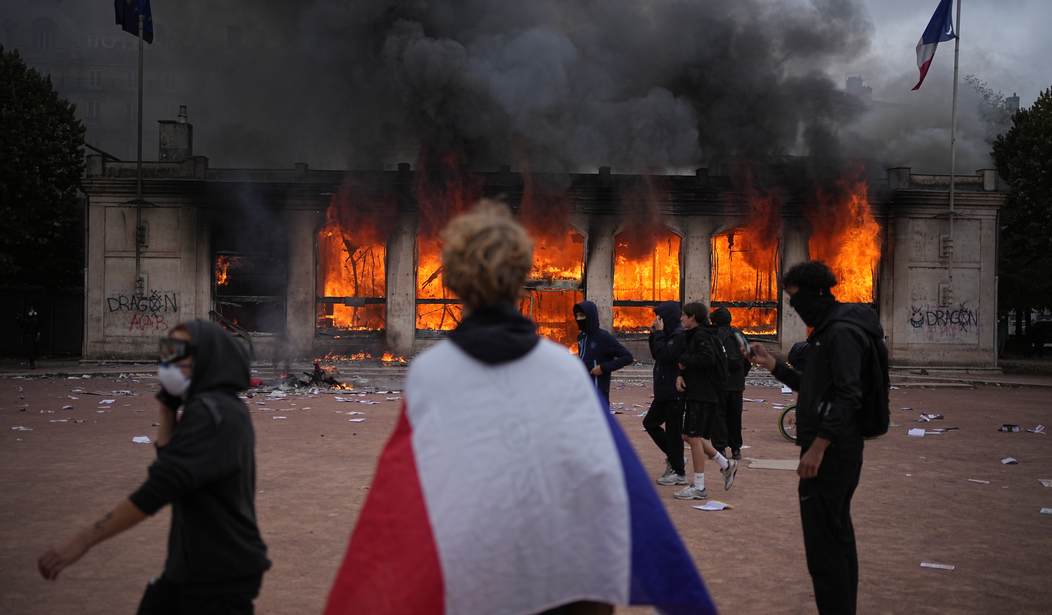
What is troubling about the unrest spreading across Europe is not that people are taking to the streets. Protest is a legitimate part of democratic life. People have the right to object when fuel becomes unaffordable, schools deteriorate, public services fail, and housing slips beyond reach. Governments should hear those grievances and answer them.
What should trouble every citizen is the moment protest becomes a license to loot, burn and terrorize. A peaceful march makes an argument. A mob that smashes a shop window silences one. Hundreds of thousands marched peacefully in France while violent groups targeted public buildings, looted businesses and attacked police. The distinction matters: The people who came to protest are not all responsible for the people who came to destroy.
But destruction is not made less serious because it is committed under the banner of a cause. A business is not an abstraction called "capitalism." It is someone's years of work, savings, risk and hope. It is the employee who depends on a paycheck, the family that owns the storefront, and the neighborhood that needs its services. When rioters break into shops and set fires, they do not strike a distant system. They injure ordinary people and weaken the community they claim to defend.
There are activists who openly reject capitalism and treat private enterprise as an enemy. Their ideas deserve debate. But no grievance, however sincere, justifies burning a city or destroying someone else's livelihood. Nor should we assume that every protester is an anti-capitalist or that every crowd is bent on destruction. These demonstrations have arisen from a range of causes, and many people have protested peacefully. The violent fringe must be held responsible for its own actions.
The historical lesson is as old as the revolutions people invoke: Anger can expose real injustice, but it can also become a force that consumes the very institutions needed to correct it. When a movement decides that every law is illegitimate, every business is exploitation, and every opponent is an enemy, it stops seeking reform and begins testing how much of society it can break. The French Revolution began with demands for liberty and representation; its descent into the Terror showed how quickly the language of justice can be turned against the innocent. History does not say that every protest leads to catastrophe. It warns that no society is immune when grievance is used to excuse political violence.
That is why leadership matters. Governments should address the conditions that drive people to despair: rising costs, failing services, schools that do not serve students, and housing that working people cannot afford. But they also have a basic duty to protect the public and enforce the law. Accountability is not oppression. Allowing arson and looting to proceed unchecked is not compassion; it abandons residents, workers and business owners to whoever is most willing to use force.
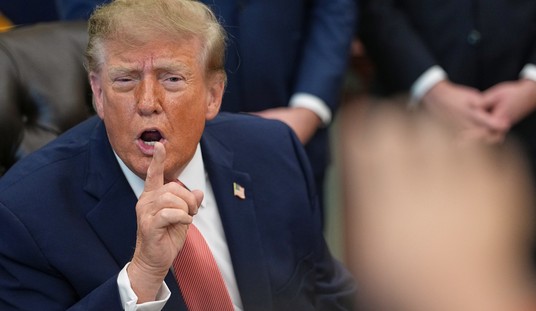
Say what you must about Donald Trump, but I believe he would move quickly to stop this kind of disorder before it gathered momentum. A president's responsibility is to defend the public's safety and the constitutional right to protest both at once. That means clear rules, capable law enforcement and consequences for people who burn buildings or attack others. It also means protecting peaceful demonstrators' rights and holding officers to the law. Order imposed without restraint becomes abuse; freedom without order can be taken over by the most violent faction.
We should take the warning in these scenes of fire and wreckage seriously. If political actors teach people that destruction is a legitimate way to express anger, they should not be surprised when the destruction spreads beyond the first target. The city hall, school, shop and public square are not symbols that can be replaced without cost. They are part of the shared inheritance that allows people with opposing views to live together.
Europe should not have to burn to make its leaders listen. And no cause should be allowed to turn the streets into a battlefield where ordinary people pay the price for someone else's ideology. Protest can demand change. Violence can only threaten the society that change is supposed to serve.
Armstrong Williams is manager/sole owner of Howard Stirk Holdings I & II Broadcast Television Stations and the 2016 Multicultural Media Broadcast owner of the year.
Editor’s Note: Do you enjoy Townhall’s conservative reporting that takes on the radical Left and woke media? Support our work so that we can continue to bring you the truth.
Join Townhall VIP and use promo code FIGHT to receive 60% off your membership.


Join the Conversation
VIP members get the ability to comment on articles.