







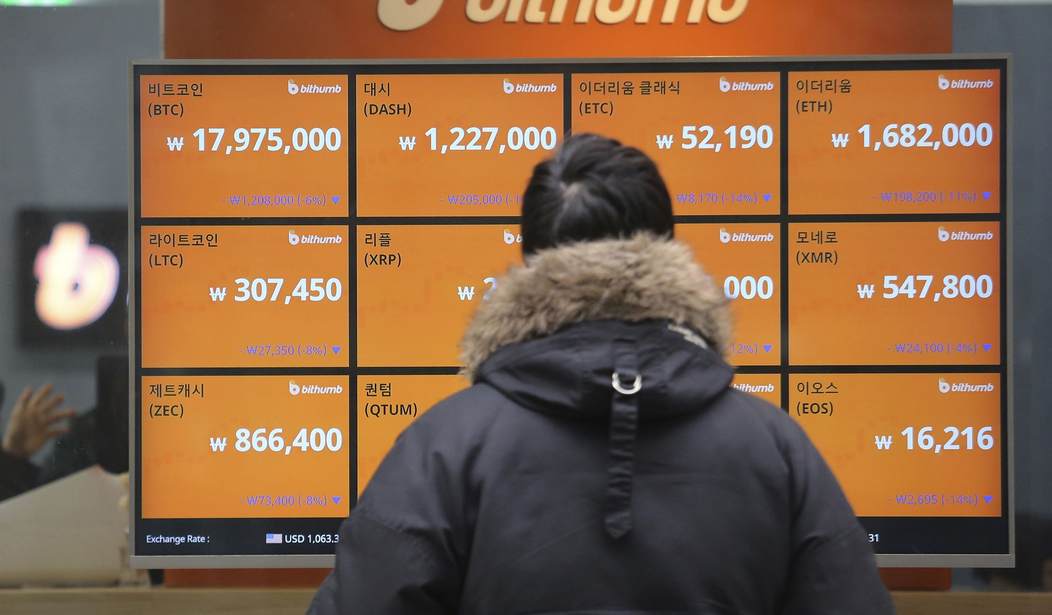
A catastrophic cryptocurrency crash, one that many considered to be the largest in history, occurred after UST, an algorithmic stablecoin that was designed to keep a value of $1, fell to approximately $0.10. The value of its sister currency, Luna, plummeted from approximately $90 to $0.0002. This collapse simultaneously sent the prices of virtually every major cryptocurrency, and the digital assets that hold value in those major cryptocurrencies such as certain non-fungible tokens, tumbling.
To understand why this occurred, we must first examine the ecosystem of cryptocurrencies from a macro perspective. Stablecoins are digital currencies that retain the value of a certain asset, typically fiat money -- government-issued currency. As the United States dollar is the reserve currency for a significant number of countries, United States dollar stablecoins are often used by cryptocurrency investors to park funds in a nonvolatile digital asset that can be quickly changed to a more volatile asset such as Ether, among others. Accordingly, a person who earned $100,000 from a cryptocurrency transaction -- or some other amount -- might convert that cryptocurrency into a stablecoin pegged to the United States dollar as he or she waits for another investment opportunity.
The method by which stablecoins maintain their value is often relatively straightforward. The central authority that produces the stable coin will maintain capital reserves that enable the price of the stablecoin to equal one U.S. dollar, as well as additional funds in case the price falls below $1.00. So, if there are 100,000 stablecoins, there should theoretically be $100,000 in reserves. In actuality, the vast majority of stablecoins are valued slightly less than $1, albeit often within a thousandth of a penny.
UST, the token that catastrophically failed, operated differently. It was intended to solve the problem of having a centralized authority inside a decentralized ecosystem, i.e., if the centralized authority collapsed, so would the decentralized money, thereby undermining the objective of investing in a decentralized asset. In the same spirit, there is a lack of capital reserve transparency, which is important for cryptocurrency. Thus, UST algorithmically tied its price to the U.S. dollar by using a mechanism that incentivized arbitrage and the issuance and destruction of tokens. By doing so, there was both transparency and decentralization; any transaction that influenced the price was accessible to any individual, and no centralized authority could go bankrupt, mismanage their funds or harm investors.
However, there was a significant problem with this, one that had been anticipated for some time. One of the major conspiracy theories that has received the most attention for causing the crash is that a cryptocurrency wallet sold $350 million worth of UST, causing panic that would have prompted the Luna Foundation Guard -- the organization that holds Bitcoin reserves that it uses to support the price of UST in the event of a crash -- to expend $3 billion worth of Bitcoin in an attempt to save the stablecoin. This did occur, and if it were true that the attacker predicted this, as the theory suggests, they would have earned a profit of almost $800 million from their short position on Bitcoin, as $3 billion worth of Bitcoin were sold at once, causing the price to crash.
As we can see, this is how the intricate network of cryptocurrencies is interconnected. Since Bitcoin is the most popular and trustworthy cryptocurrency, a drop in its price often leads to a crash in the prices of all other cryptocurrencies. In fact, most prominent cryptocurrencies have a price correlation with Bitcoin of at least 90%. In other words, if Bitcoin collapses, most major cryptocurrencies collapse as well.
The collapse of UST took out the life savings of many who had placed most of their wealth in this dependable currency. This is a tragic lesson in ineffective investment management: Never place all of your eggs in a single basket.
In sum, digital assets worth $42 billion were virtually wiped away. The remaining mystery is, who did it? And how will they be held accountable? The United States government, as well as governments throughout the globe, have been far too hands-off when it comes to regulating digital assets such as UST. They have permitted an apocalypse to unfold, which has resulted in the destruction of numerous lives and the portfolios of countless investors. There have been trillions of dollars invested in cryptocurrencies, but nobody seems willing to say, "enough is enough" and create the necessary regulations to ensure adequate innovation in the digital asset space and sufficient checks, balances and accountability for those who create and invest in digital assets.
A rescue plan must be implemented to repay people who lost fortunes in the collapse of UST. Many proposals have been made, and it seems there is hope for people who have lost so much. Yet, the question remains: Where do we go from here?


Join the Conversation
VIP members get the ability to comment on articles.