





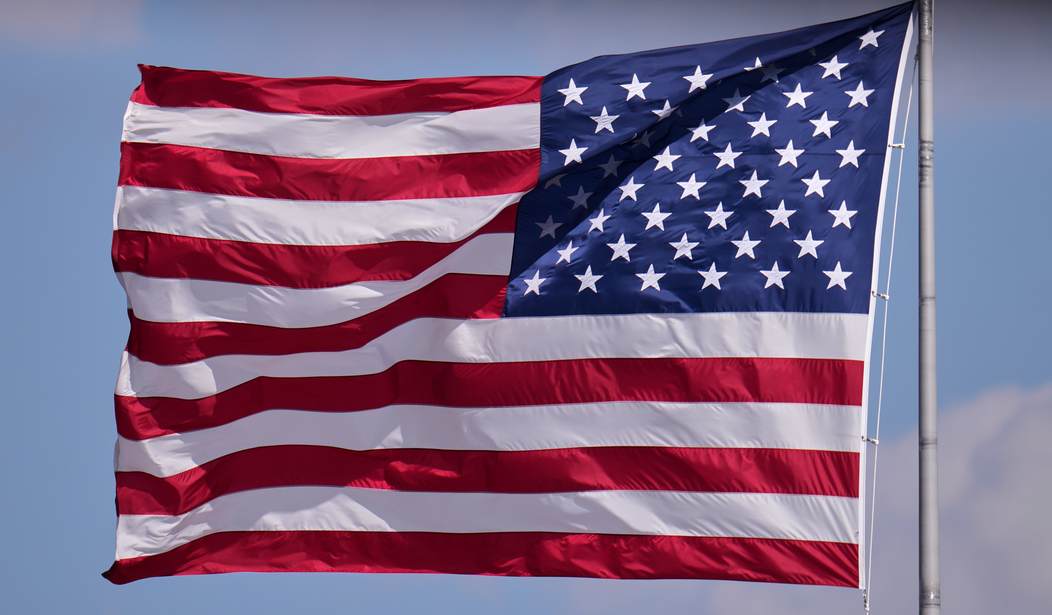
The United States represents less than 5 percent of the world’s population, yet it produces more than 20 percent of global GDP. That kind of outsized impact isn’t an accident, and it isn’t the result of centralized planning. It’s the product of a system built, from the beginning, to prioritize freedom, protect ideas, and reward risk-taking.
Consider one of the earliest signals of that intent: on April 10, 1790, President George Washington signed the first U.S. Patent Act. In doing so, the young nation made a clear statement: if you create something new, it belongs to you. That protection of intellectual property helped unleash generations of inventors, entrepreneurs, and builders. It’s no coincidence that the same country went on to pioneer breakthroughs from the light bulb to the airplane to the technologies that now define the modern world.
The Founders understood a simple but powerful truth: when people are free to create, innovation follows. Washington himself described liberty as “a plant of rapid growth.” Give it room, and it spreads quickly. American prosperity has been fueled not by top-down direction, but by millions of individuals pursuing opportunity in their own ways.
Some of the most transformative ideas didn’t come from government offices or corporate boardrooms. They came from garages, kitchens, and workshops. The Wright brothers weren’t backed by a federal innovation plan when they pursued flight. Thomas Edison didn’t wait for permission to experiment with electric light. And today, that same spirit lives on in communities across the country.
Take innovators like Collin Raby in Louisiana, who saw farmers being left behind in the tech revolution and stepped in to help agricultural workers adopt new tools and navigate complex regulations. Or Ariana Valenzuela in Nevada, whose family built a successful restaurant over decades and who later fought to roll back overregulation that criminalized street vendors, opening doors for others to pursue their own American Dream.
But that kind of innovation isn’t guaranteed. It depends on an environment where barriers remain low and rules are predictable. When regulation becomes too heavy or uncertain, it doesn’t just inconvenience businesses, it slows entrepreneurs, discourages risk-taking, and limits opportunity. If we want the next generation of breakthroughs, we must ensure the system still rewards those willing to take the leap.
That includes rethinking policies like burdensome permitting processes that make it harder to build businesses—or even housing—in the first place. Growth requires room to grow.
As America approaches its 250th anniversary, it’s worth reflecting on what made this level of innovation possible and what will sustain it for the next 250 years. America’s success didn’t come from controlling innovation—it came from unleashing it. The challenge now is to make sure we don’t lose sight of that.
To take your first small step to making a difference in our country’s future, go to a250toolkit.com/Townhall where you’ll find free resources every month to reflect on our country’s principles and take action to secure the future of America.
David From is the host of the American Potential Podcast.


Join the Conversation
VIP members get the ability to comment on articles.