





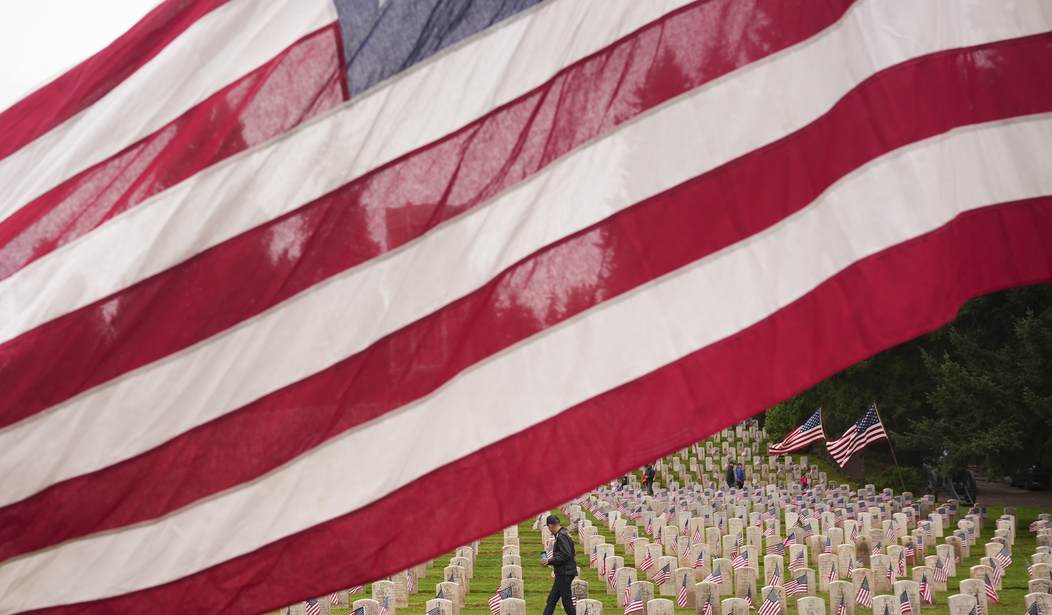
September is Suicide Prevention Month — a time to recognize a difficult reality facing our military community and, more importantly, to reaffirm a simple commitment: no service member, veteran, or military family member should ever feel that they have to face their darkest moments alone.
The numbers make clear why this mission matters. In 2023, 6,398 veterans died by suicide — an average of 17.5 Veterans every day. Even more concerning, 61 percent of Veterans who died by suicide that year had not visited VA healthcare during the preceding year. These numbers tell us that suicide prevention is a responsibility to be shared by the entire military community.
For those currently serving, the Department of War continues to track suicide across the Active, Reserve, and National Guard components and has made prevention a year-round readiness priority. The Department's latest annual report examines suicide across the military and highlights ongoing efforts to reduce risk and strengthen prevention.
Military service demands sacrifice. Service members routinely place the needs of their country, their units, and their families ahead of their own. That commitment is one of the great strengths of the American military. But it can also create a culture in which asking for help is mistakenly viewed as weakness.
It is not.
Seeking help is an act of strength, judgment, and responsibility. Just as we would never expect a wounded service member to ignore a physical injury, we should never expect someone struggling emotionally to simply push through it alone.
Suicide prevention is therefore not simply a medical issue. It is a readiness issue, a leadership issue, and a matter of military culture. And we must facilitate a culture that recognizes seeking help as strength, not weakness.
Every service member, from the newest recruit to the most senior officer, has a role to play. It starts with knowing the people around us. A change in behavior, withdrawal from friends and family, unusual irritability, hopelessness, or simply the sense that something is not right can be an important signal. We do not need to be trained counselors to recognize when a shipmate, battle buddy, or colleague may be struggling. We simply need to be willing to ask.
Sometimes the most important question we can ask is also the simplest: “Are you okay?”
It is important for any of us to listen without judgment, take concerns seriously, and help connect that person with the resources and support they need, like the Veterans and Military Crisis Line (Dial 988 and Press 1).
Leaders have a particularly important responsibility. The climate of a unit is shaped from the top. Commanders and supervisors can create environments where service members know that seeking help will not jeopardize their careers or diminish their standing among their peers. Building that culture requires more than an annual training session. It requires consistent leadership, genuine engagement, and an understanding that the strength of a military organization is measured not only by its performance in battle, but also by how it takes care of its people.
The fact that most Veterans who died by suicide in 2023 were not receiving VA care should also challenge us to think differently about prevention. We have to reach people where they are — in their units, homes, workplaces, communities, and families. Sometimes prevention begins long before someone walks into a clinic.
Suicide Prevention Month should remind us that prevention cannot be confined to just one month. It must be part of who we are every day.
Our military asks extraordinary things of the men and women who serve. In return, we owe them a force that recognizes their humanity as much as it values their capabilities.
We train relentlessly to protect one another on the battlefield. We should bring that same determination to protecting one another at home.
Every service member matters. Every veteran matters. Every life matters.
And sometimes, the difference between someone losing hope and finding a way forward begins with one person having the courage to reach out and say: “I’m here. You’re not alone.”
So, look after each other, check in on your friend you haven’t spoken to in some time, and be there for those around you as much as you can, because showing up is the first part to saving a veteran.
Amber Smith is an advisor to America First Warfighters. She is a former Deputy Assistant to the Secretary of Defense and U.S. Army combat helicopter pilot with deployments to Iraq and Afghanistan. She is the author of the bestselling books Unfit to Fight and Danger Close.
Editor's Note: Do you enjoy Townhall's conservative reporting exposing the radical left and woke media? Support our work so we can keep bringing you the truth.
Join Townhall VIP and use promo code FIGHT to receive 60% off your membership.
Join the Conversation
VIP members get the ability to comment on articles.